
One claim at a time

Before you answer, ask what the person is actually claiming and whether they want to examine it. A conversation becomes useful when both people can identify the question under discussion. If the speaker moves from a miracle to morality to the origin of the universe in one breath, choose one claim and return to it.
The examples below are constructed teaching scenarios. They are not transcripts of particular missionaries or accounts of completed outreach. Use their reasoning as a starting point, then respond to what the person in front of you actually says.
“I felt it, so I know”

Missionary: “When I prayed, I felt an overwhelming peace. That's how I know the teaching is true.”
Response: “What helped you identify the source of that feeling? If someone in a different religion had the same experience, would it establish their teaching too?”
The question asks for a method that can distinguish competing explanations. It accepts that an experience occurred while examining the conclusion attached to it. The religious-experience study in our research notes provides one example of investigating the human processes involved. Research note 10
If the speaker answers that only their tradition produces the right feeling, ask how that difference can be checked independently. If the answer depends on first accepting the doctrine, identify the circular step. The next useful question is what evidence could be shared with someone who does not already believe.
“What if you're wrong and go to hell?”
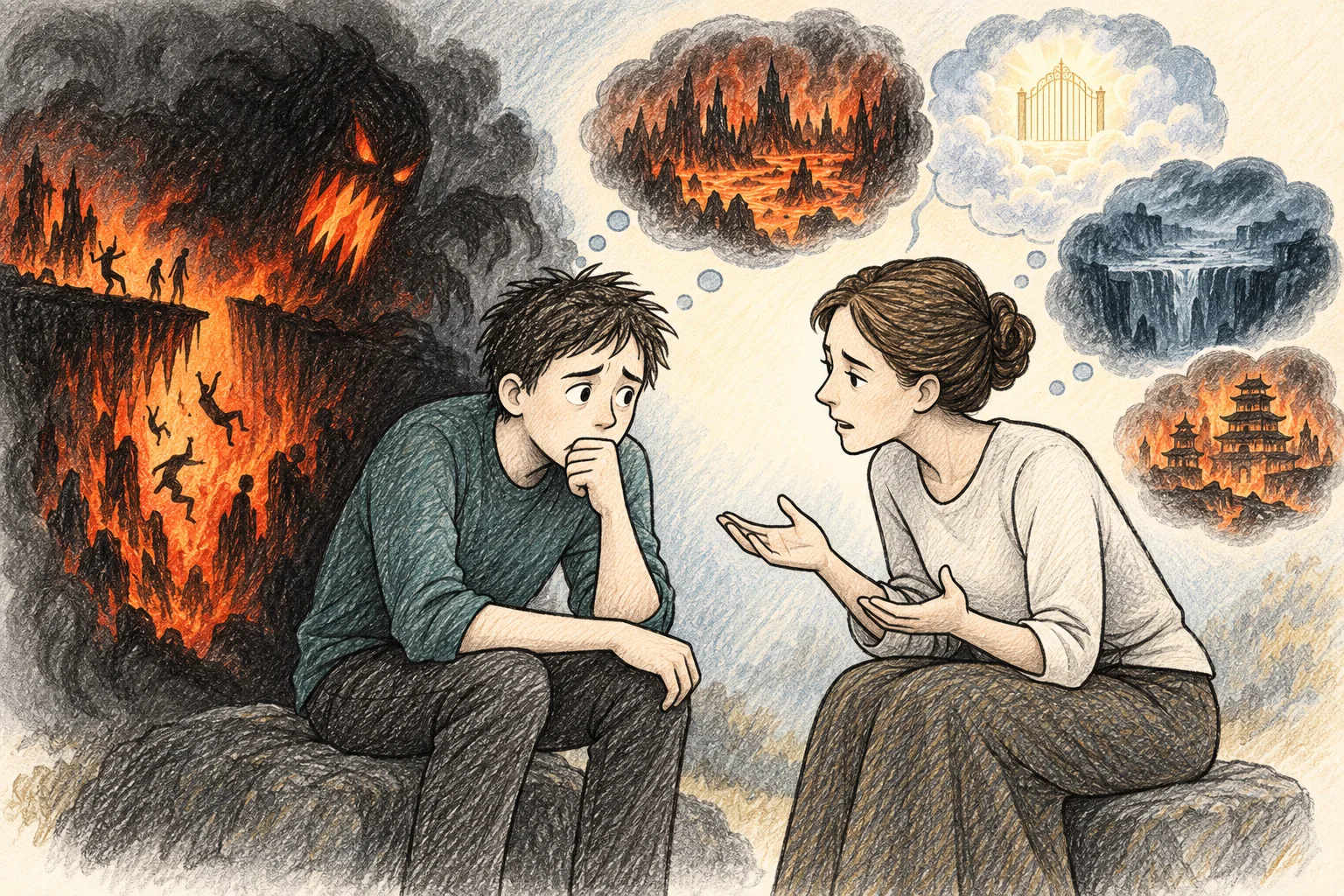
Missionary: “Wouldn't it be safer to believe, just in case?”
Response: “Which warning should I accept, and how would I choose among incompatible ones? The size of a threatened consequence doesn't tell me which claim is true.”
Work through the logic. A threat can make a decision feel urgent while leaving its factual basis unestablished. Ask for the evidence for this particular account of punishment. If fear is the only support being offered, name that. “You've given me a consequence to fear. What establishes that the consequence is real?”
If a participant becomes distressed, pause the debate. They do not owe the room a public test of courage. An audience member who has lived with the threat may need privacy and time to examine it. The quality of an argument does not depend on forcing that examination in front of strangers.
“Without God, anything goes”
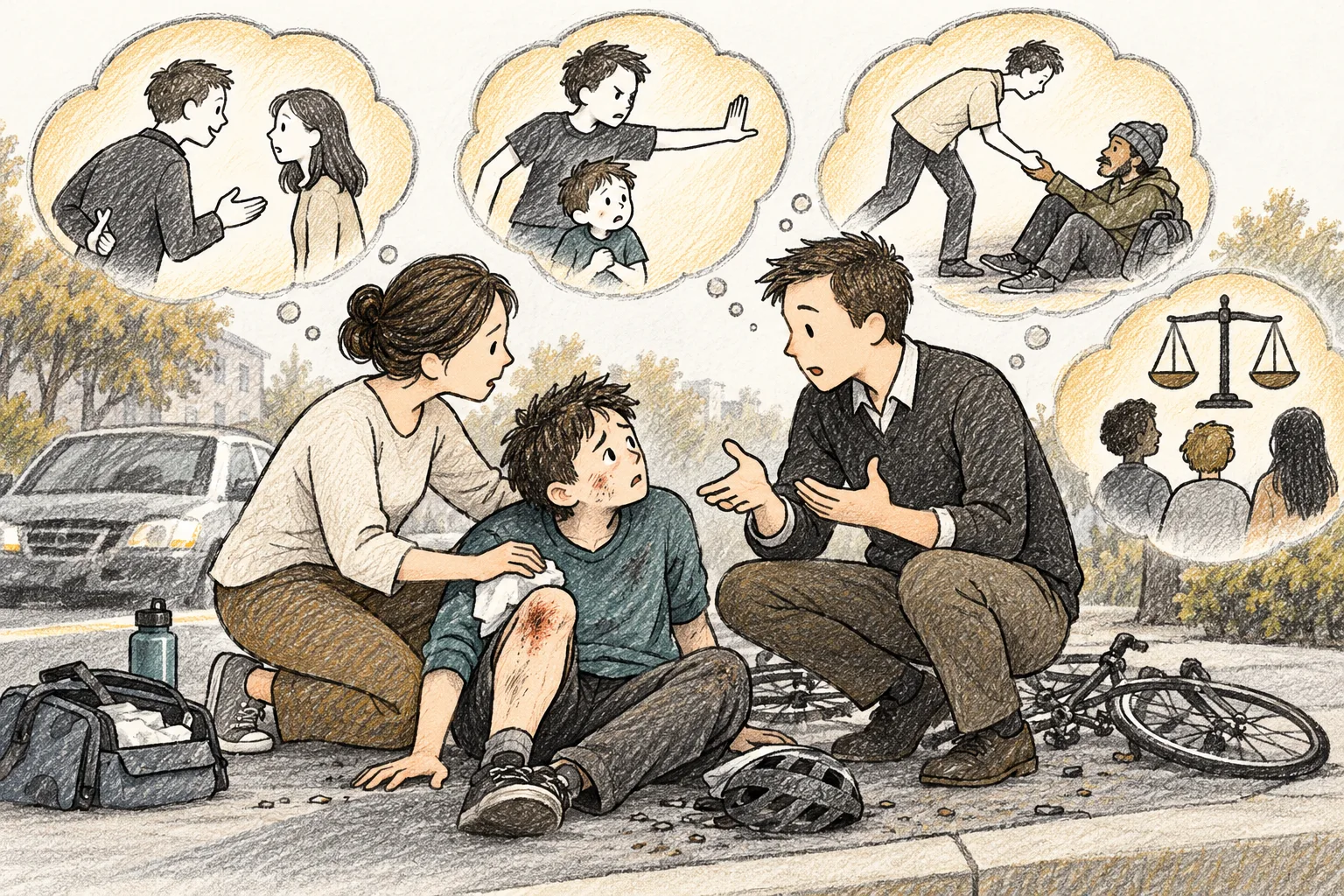
Missionary: “If there's no God, what stops people from doing whatever they want?”
Response: “Other people can be harmed. Their lives and choices matter. We can examine consequences, consent, fairness, and responsibility. How does calling an action a command settle whether it is good?”
This brings the discussion to moral reasons. Use a concrete case: deceiving someone, helping a stranger, protecting a child. Ask what makes the action harmful or helpful. If the speaker already cares about those consequences, you have found reasons that can be discussed directly.
If they insist that only authority makes an action good, ask how they would evaluate a claimed divine command to harm someone. Who verifies the command? What would allow a person to challenge it? The problem of evaluating authority remains even within the speaker's framework.
“Science changes its mind”
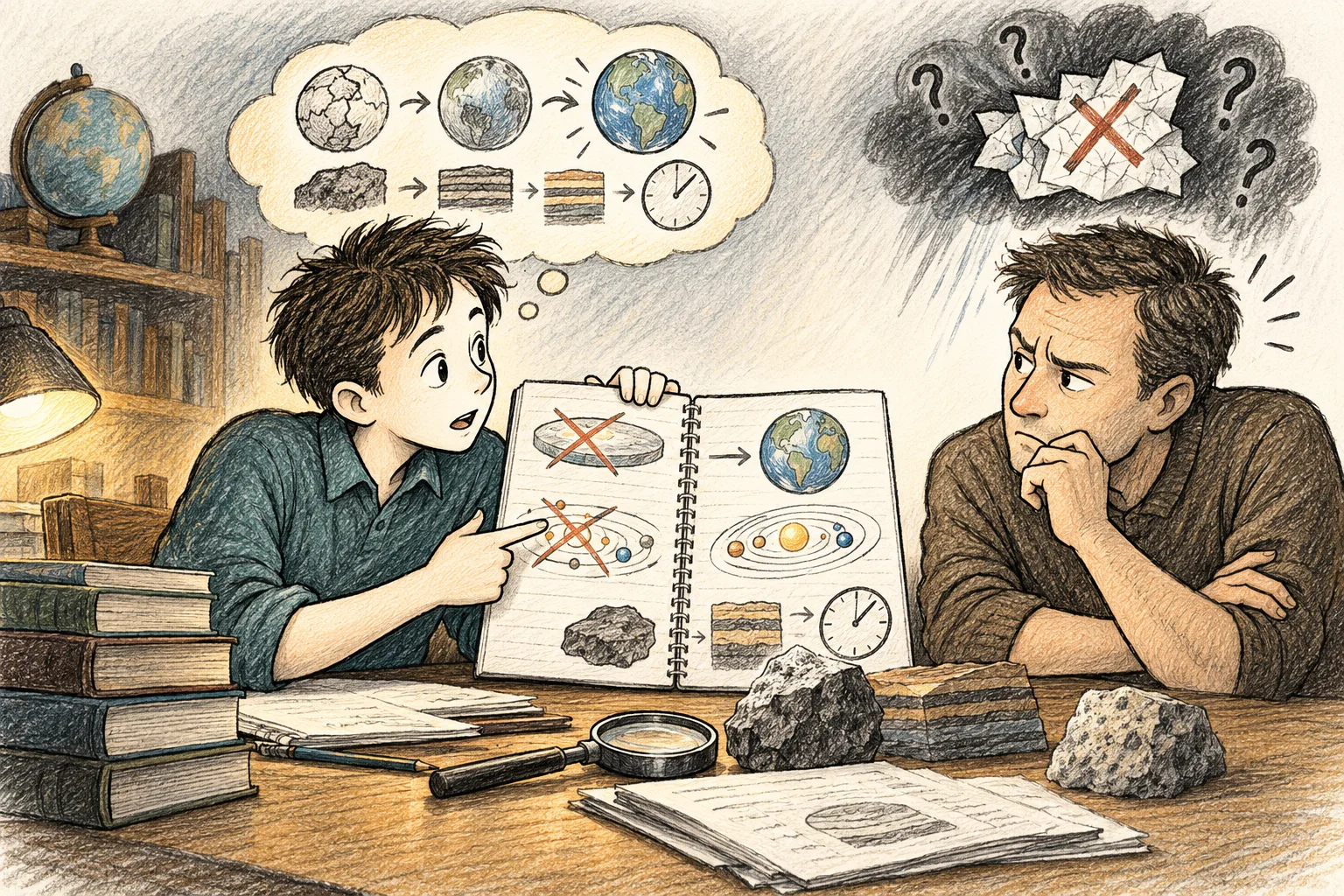
Missionary: “Scientists keep changing their answers, so why trust them?”
Response: “Which answer changed, and what evidence caused the change? A method that can correct an error gives us something to inspect. How does your method correct its own mistakes?”
Choose a real claim instead of defending every scientific statement ever made. For an argument about Earth's age, explain the specific dating method and ask for a specific criticism. USGS describes the evidence behind the approximately 4.54-billion-year estimate. If someone objects, identify what part of that evidence their objection addresses. Research note 14
A legitimate methodological criticism should be examined. A refusal to permit any result that conflicts with doctrine deserves a different response: ask whether the test was ever allowed to produce a contrary conclusion.
“The text proves the text”
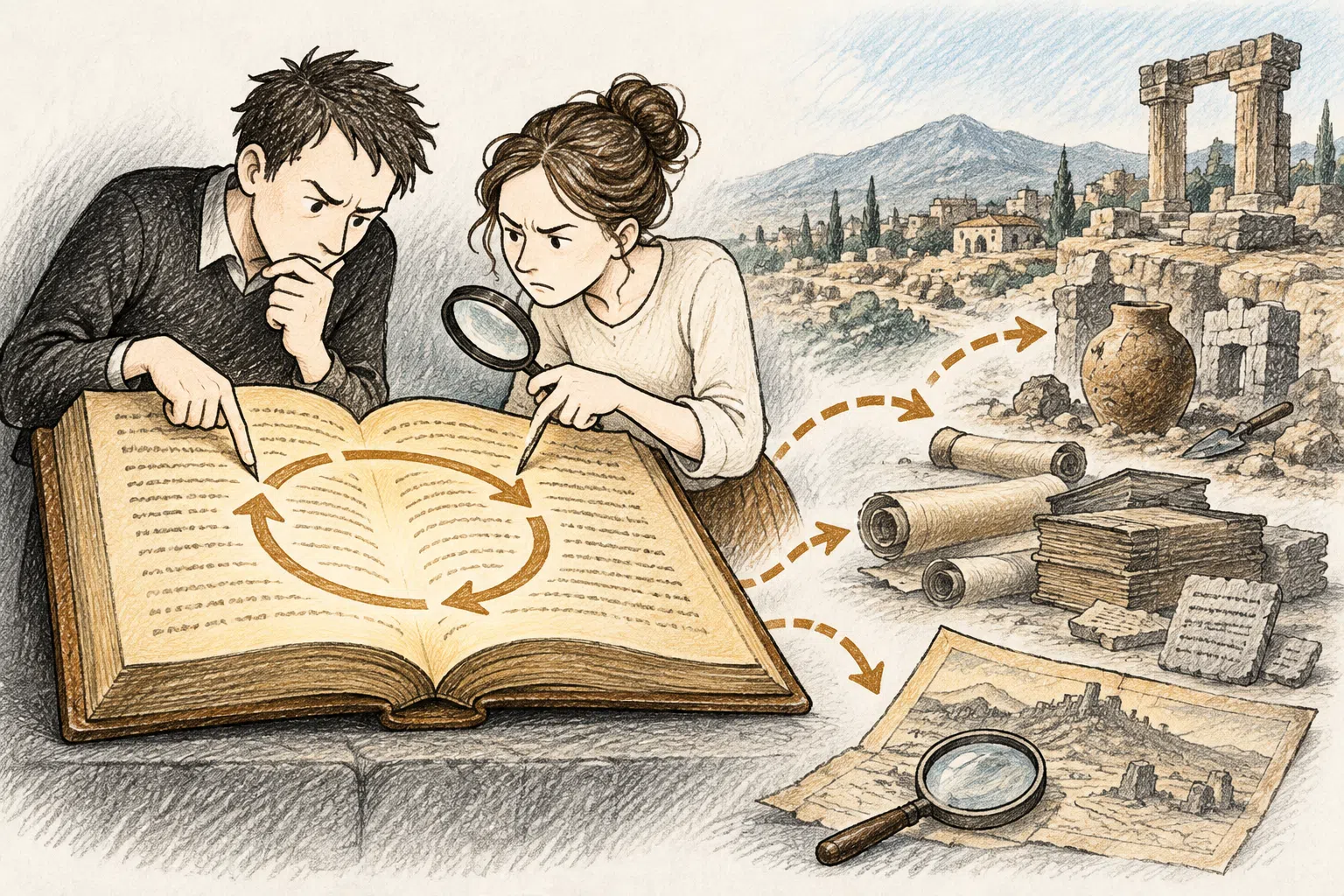
Missionary: “We know this book is divinely inspired because the book says so.”
Response: “What evidence supports that claim independently of accepting the book's authority? Would the same argument work for another sacred text?”
Historical questions need historical methods. Ask about authorship, dating, transmission, independence of accounts, and how close the evidence is to the event. Evidence that a place existed does not by itself establish every supernatural story set there. A source can preserve genuine history and still contain claims that require further investigation.
If somebody presents a particular manuscript or archaeological finding, examine it specifically. Do not invent a historical rebuttal because you expect the overall doctrine to be false. Precision is part of earning the confidence you ask other people to reconsider.
When the standard keeps moving
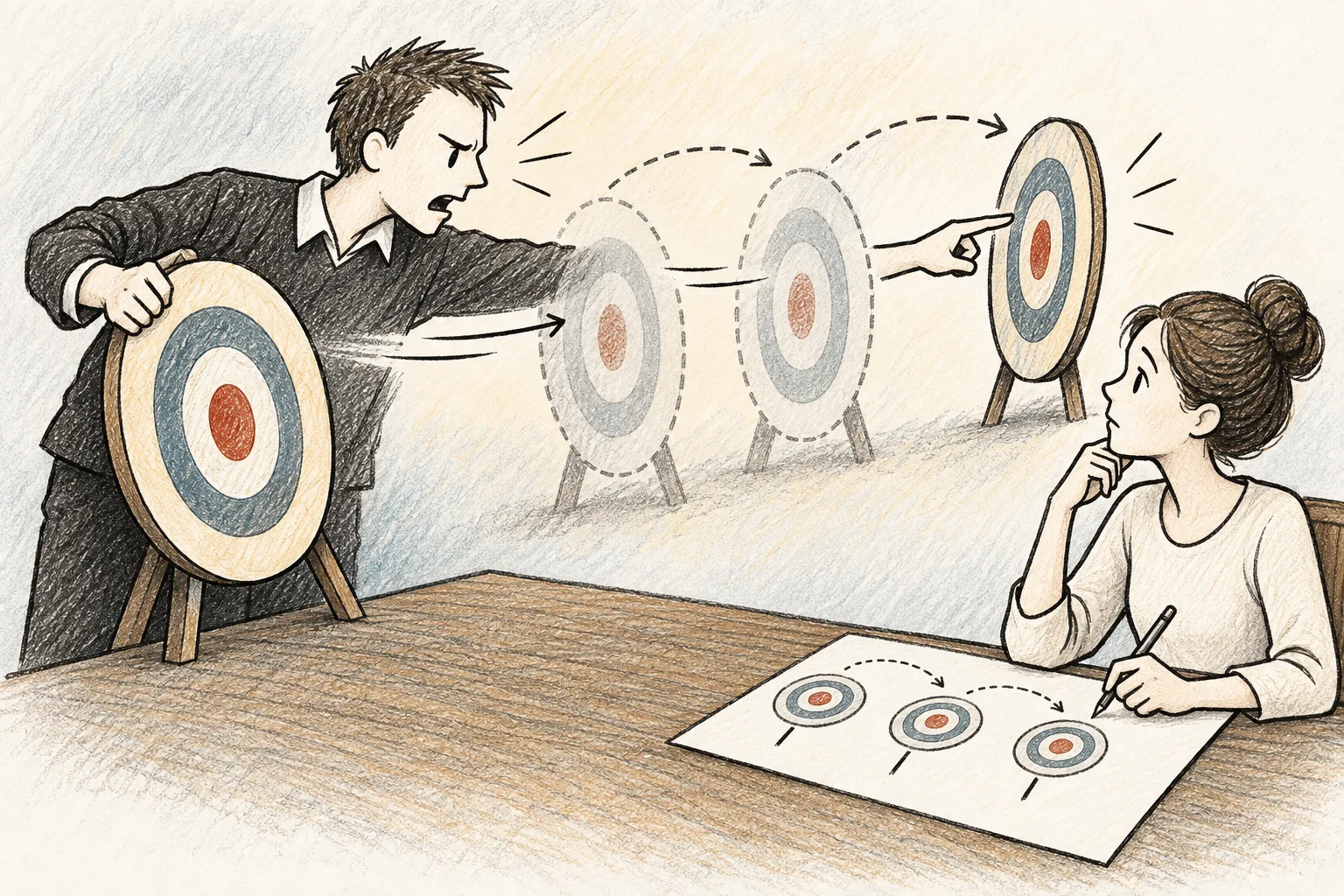
After you identify a rule, watch whether it changes when the answer is inconvenient. You can say: “A moment ago, personal testimony was sufficient. Now you're asking for independent records because the testimony supports a different belief. Which standard should we use for both?”
Motivated reasoning provides a framework for understanding selective scrutiny, but the conversation should focus on the actual inconsistency you can show. Research note 4
If no possible evidence would change the position, say so plainly. “Then we have reached the limit of what evidence can do in this conversation. The claim is being protected from testing.” You can end an unproductive exchange without pretending it was settled.
Exercise and discussion
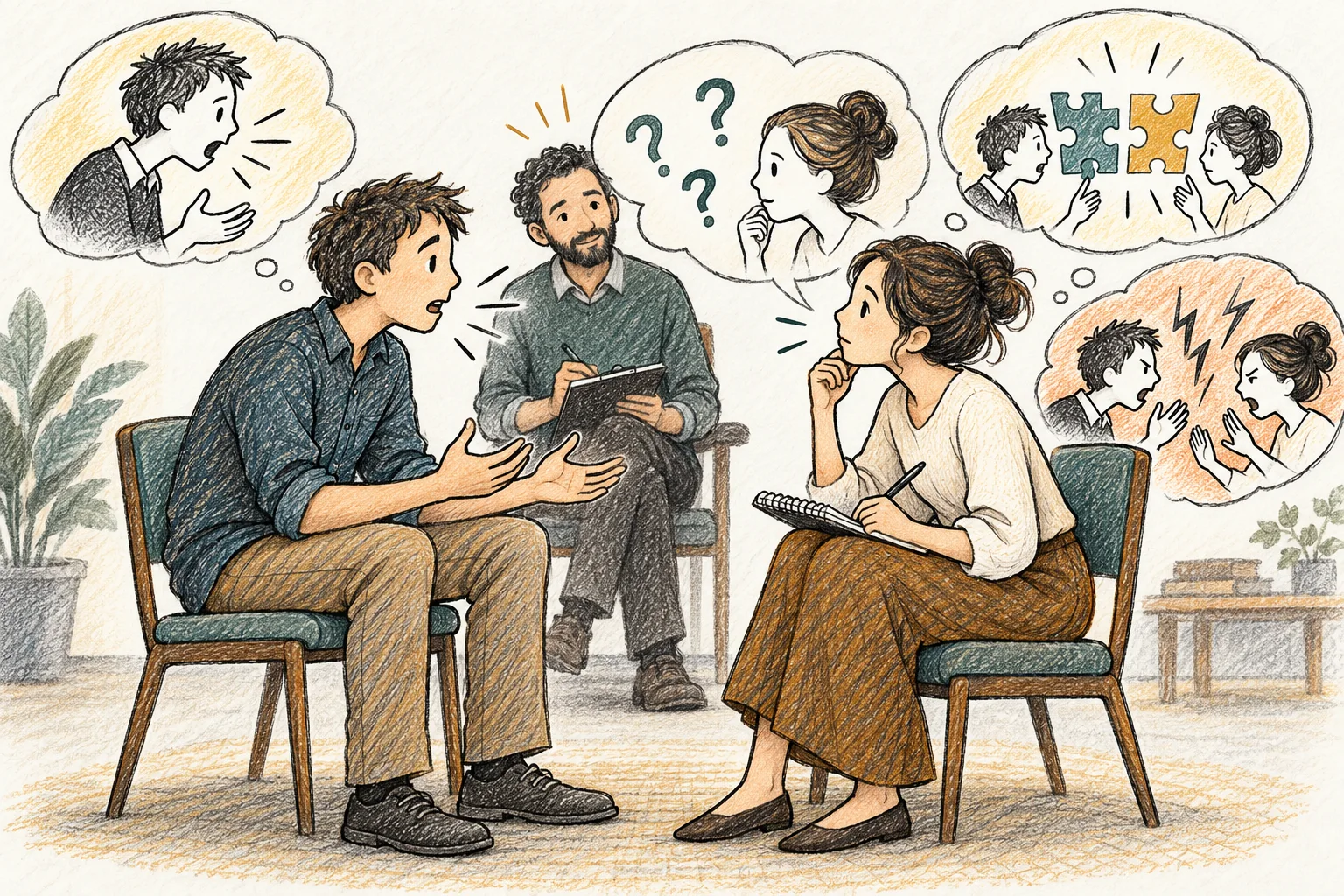
In pairs, choose one scenario. One person presents the claim; the other asks three questions before offering a rebuttal. Then switch roles. The observer, if available, checks whether the response represented the claim accurately, kept one evidence standard, and gave the speaker a chance to answer.
Discuss where the conversation became clearer and where it turned into a contest. A good result is a more precise question, a visible inconsistency, or an agreed next source to examine. The next lecture considers who carries the risk when that conversation becomes public.