A belief should
survive a question.
Religion can reach into a person's life before they have the tools to examine it. We're taking those tools where the claims are being made.
12 full lectures · Free to read · Built to be questioned

Who got to write
your mind?
“Unquestioned belief can steal authorship of a life.”

Room for Why is a humanist missionary project founded by Joe Rounsaville. The mission is to bring science, reasoning, emotional literacy, and moral autonomy to people being asked to accept religious certainty. We challenge the claims, examine the pressure around them, and teach people how to investigate for themselves.
A belief can become part of your identity before you have ever been free to compare it with another explanation. It can tell you what to fear, who to trust, what you are allowed to want, and which questions make you a bad person. Years later, defending that belief can feel like defending your entire life.
That is a serious problem. We want people to have more than permission to repeat what they were taught. We want them to have the information, emotional room, and practical freedom to examine it.
The work combines complete lessons people can read here, direct responses to public missionary claims, and a proposed traveling workshop program developed with local hosts. The curriculum is available now. Field partnerships, dates, and donation collection are still being established.
Read the full missionary prospectus ↗Religion
as heroin.
Relief can become dependence. Certainty can become the thing you protect at the expense of reality.
Read lecture 01 ↗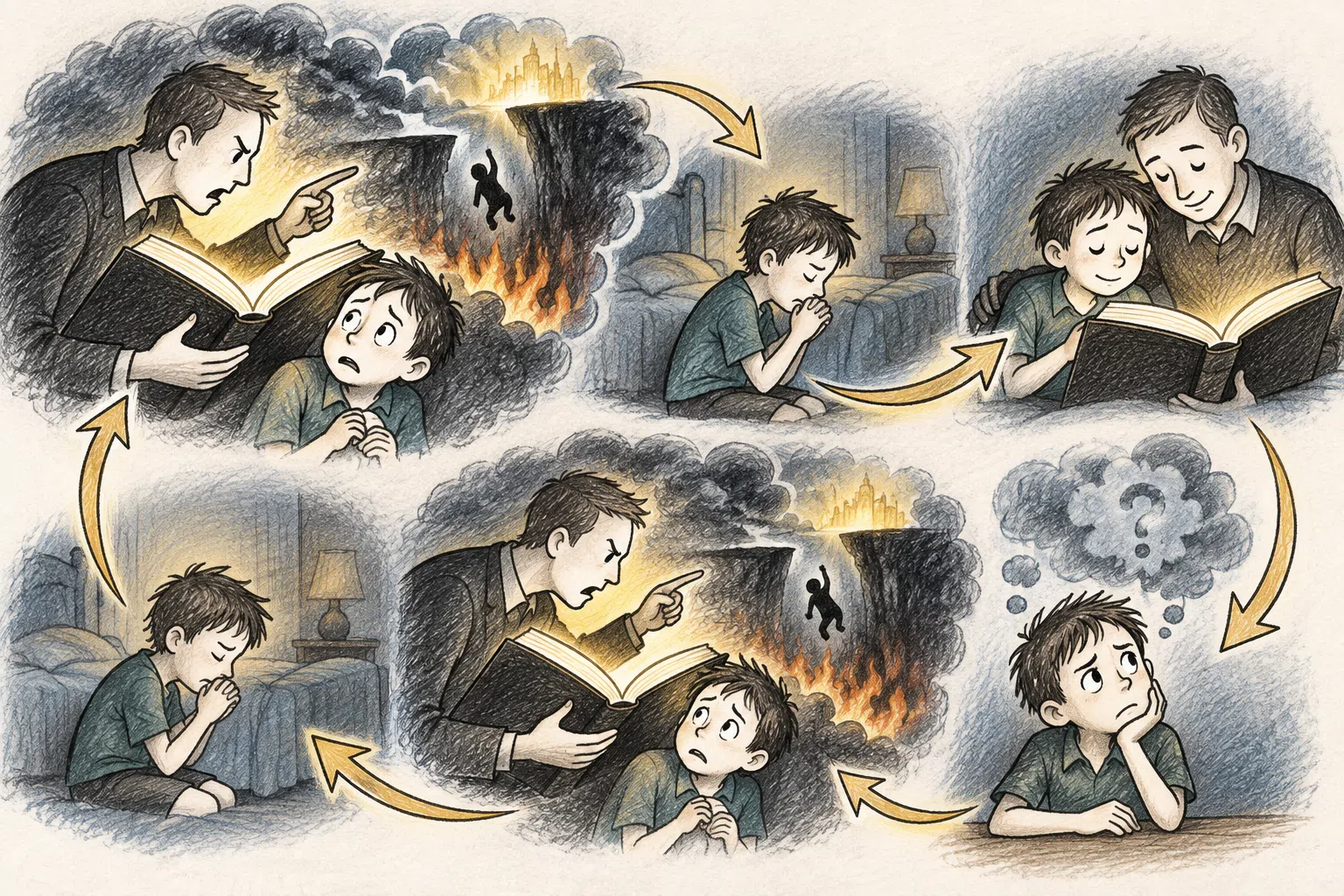
Religion can function like heroin: it can soothe fear, promise peace, and make returning to its explanation feel necessary. When your sense of safety depends on keeping the story intact, questioning it starts to feel like a threat.
Follow the loop. You are told there is something deeply wrong with you. You are offered the doctrine as the cure. You feel relief when you return to it. That relief is then presented as proof that the doctrine was right all along. Where was the original threat independently established?
This metaphor asks what the system does in a person's life. What distress does it relieve? What does that relief require? Can the person examine another explanation without losing belonging or being threatened with punishment?
The opening lecture develops the argument, connects it to research on religious experience, and asks what it takes to meet human needs without putting a belief beyond examination.
“What evidence would actually make you change your mind?”
If every possible answer has to confirm the belief, that's a rigged fucking test.
Take the questions
where the claims go.
A substantial part of this project is preparing people to answer religious outreach and make independent inquiry accessible.
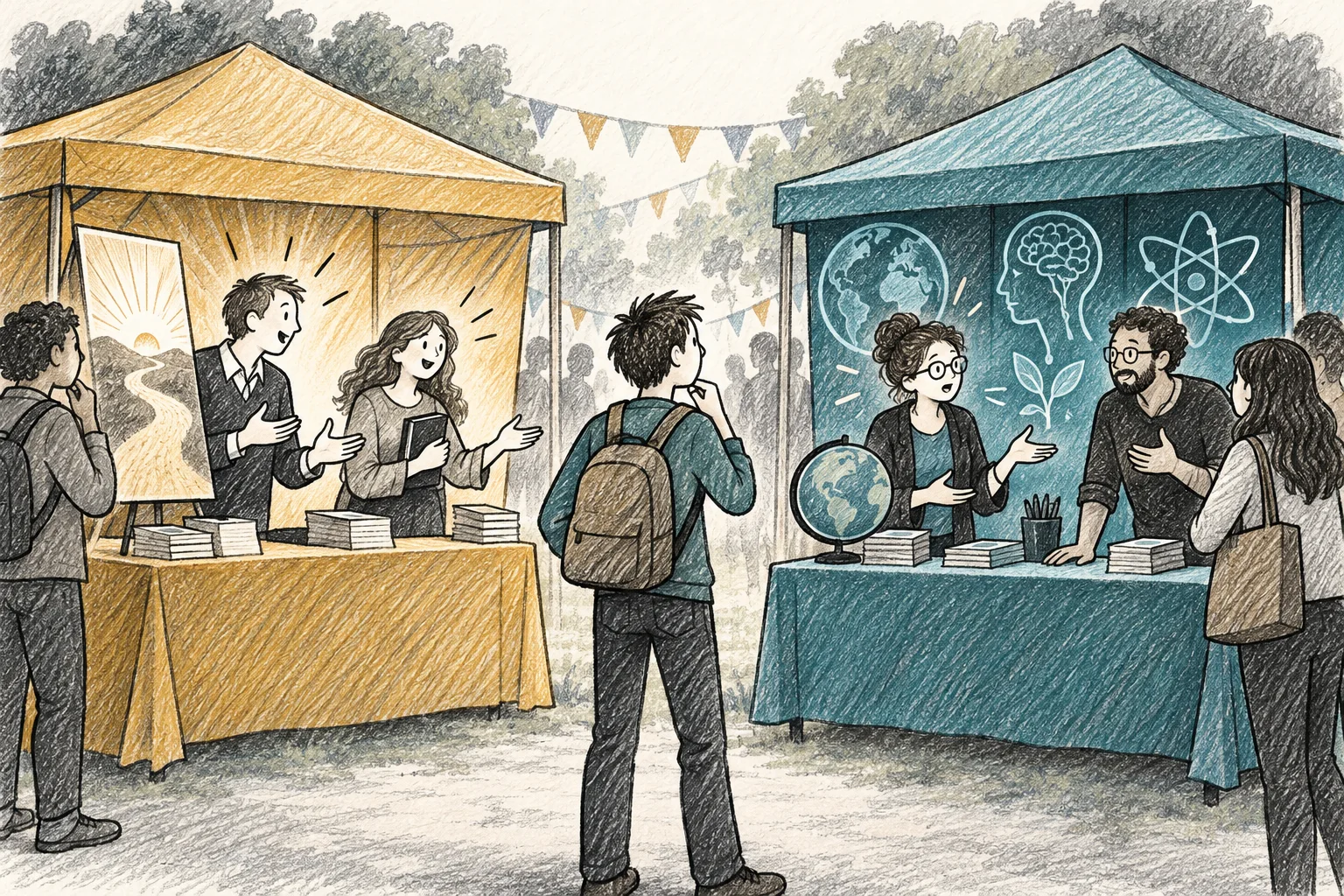
Investigate what is being taught.
Preserve the exact claim, find its evidence, and publish a response people can understand. Show how fear, authority, or an unsupported leap is doing the work.
Work through the conversations ↗Teach with people who live there.
Develop invited sessions with local hosts and language partners. Practice real reasoning, make room for disagreement, and leave material people can keep using.
See the 90-minute session ↗Ask who can afford to say no.
Examine access to information, penalties for doubt, and dependence on institutions. Prioritize the conditions that restrict a person's choices.
Read the fieldwork lecture ↗Start with the mind.
Follow the evidence.
Eight foundation lectures, followed by four field lectures. Each includes a developed argument, examples, and practice.
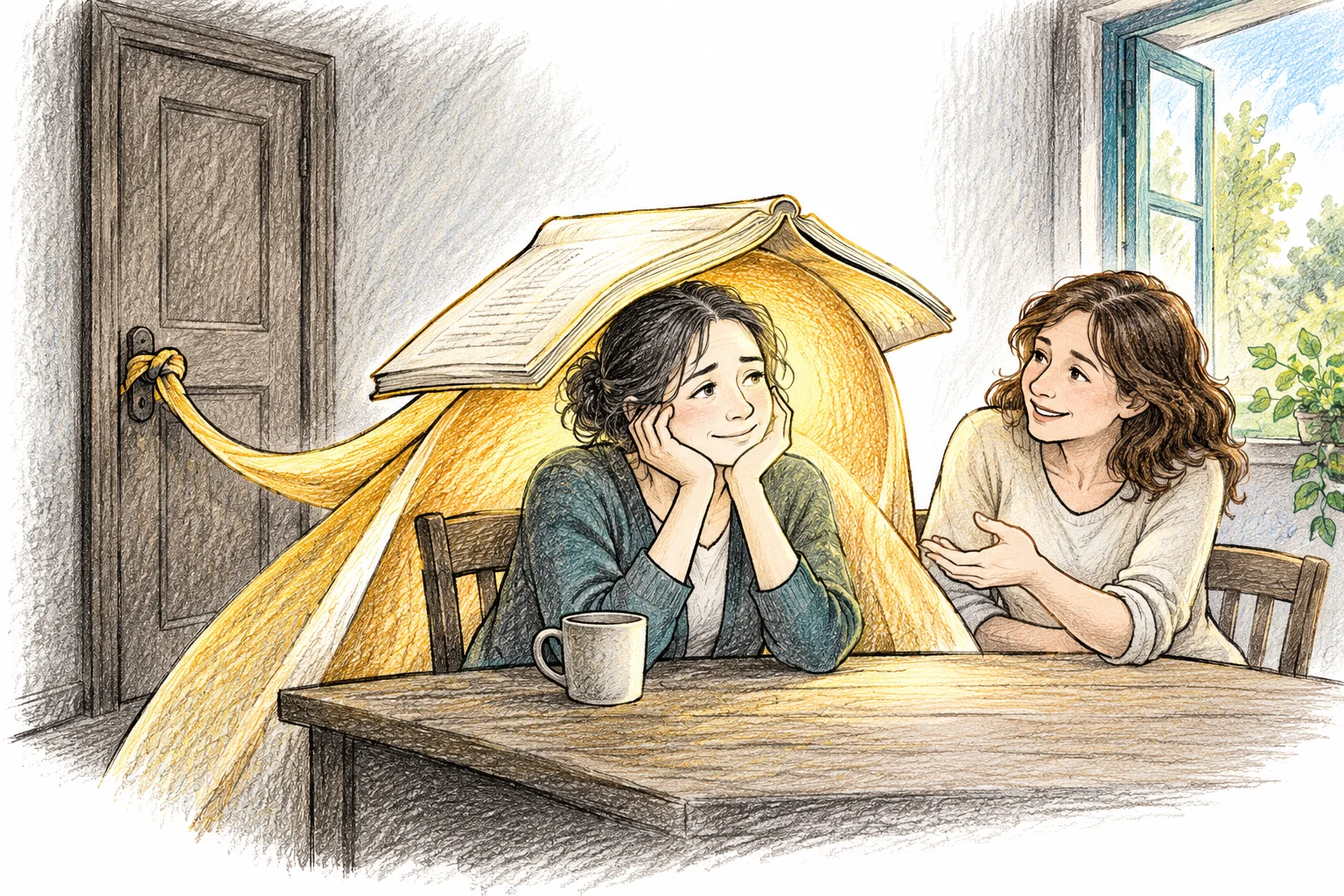 01 / Foundations
Religion as heroin
Relief, dependence, and the price of outsourcing your peace to an unquestionable story.
Read the full lecture ↗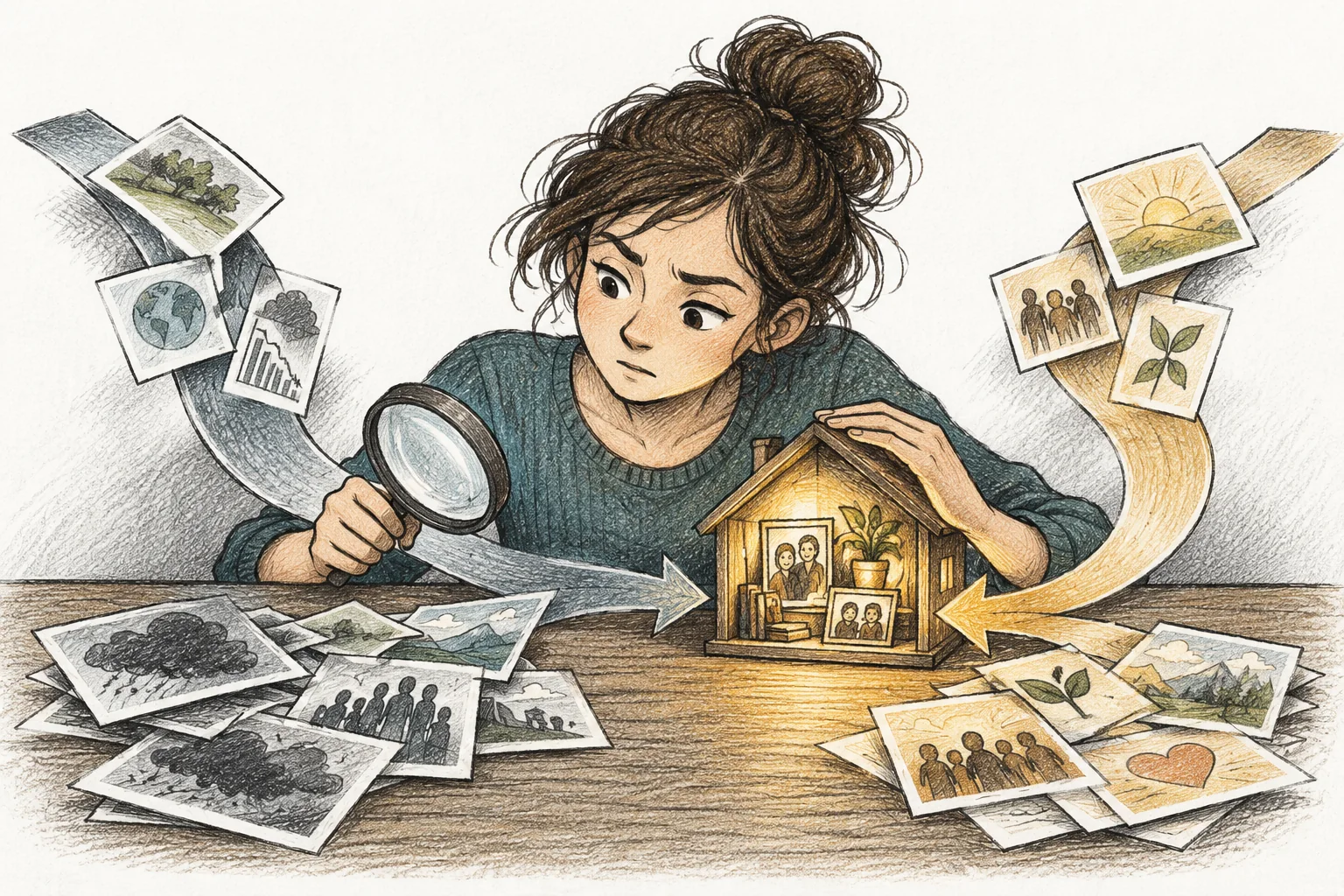 02 / Foundations
What is your certainty protecting?
Cognitive dissonance, motivated reasoning, and the test a belief is allowed to fail.
Read the full lecture ↗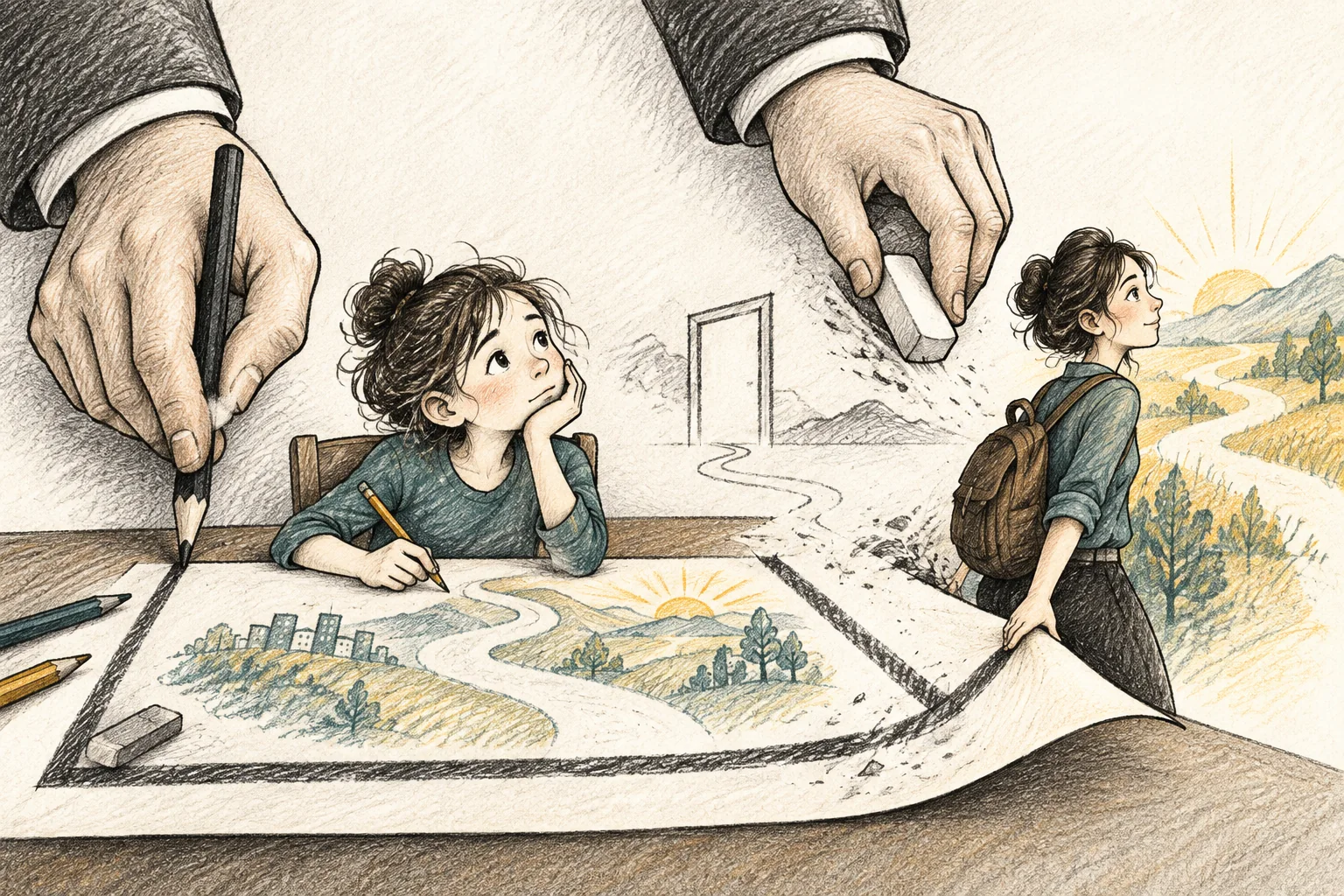 03 / Foundations
Who got to write your mind?
Childhood indoctrination, forbidden questions, and the practical freedom to leave.
Read the full lecture ↗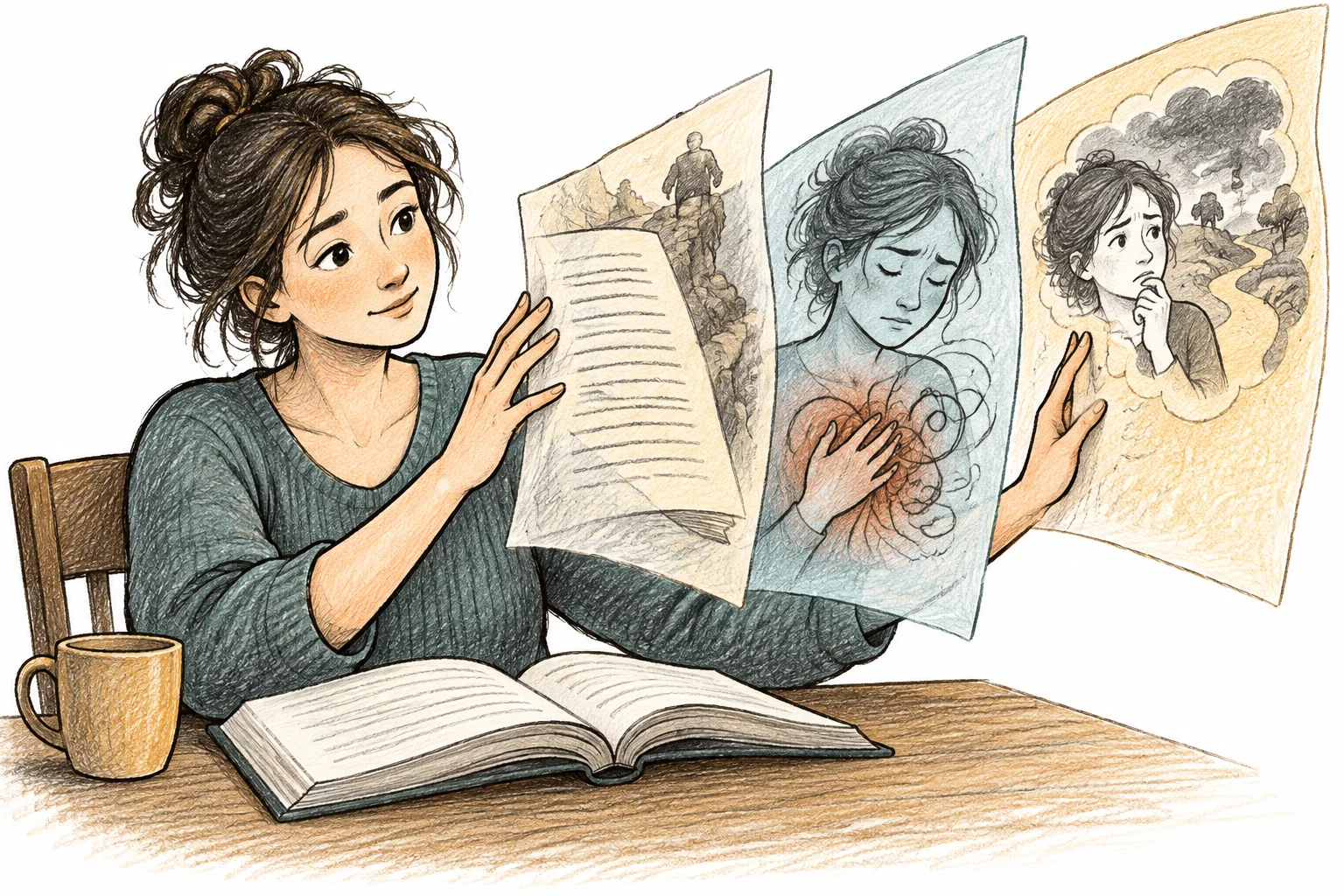 04 / Foundations
Feel it. Then examine it.
Emotional literacy, regulation, attention, and meditation without surrendering judgment.
Read the full lecture ↗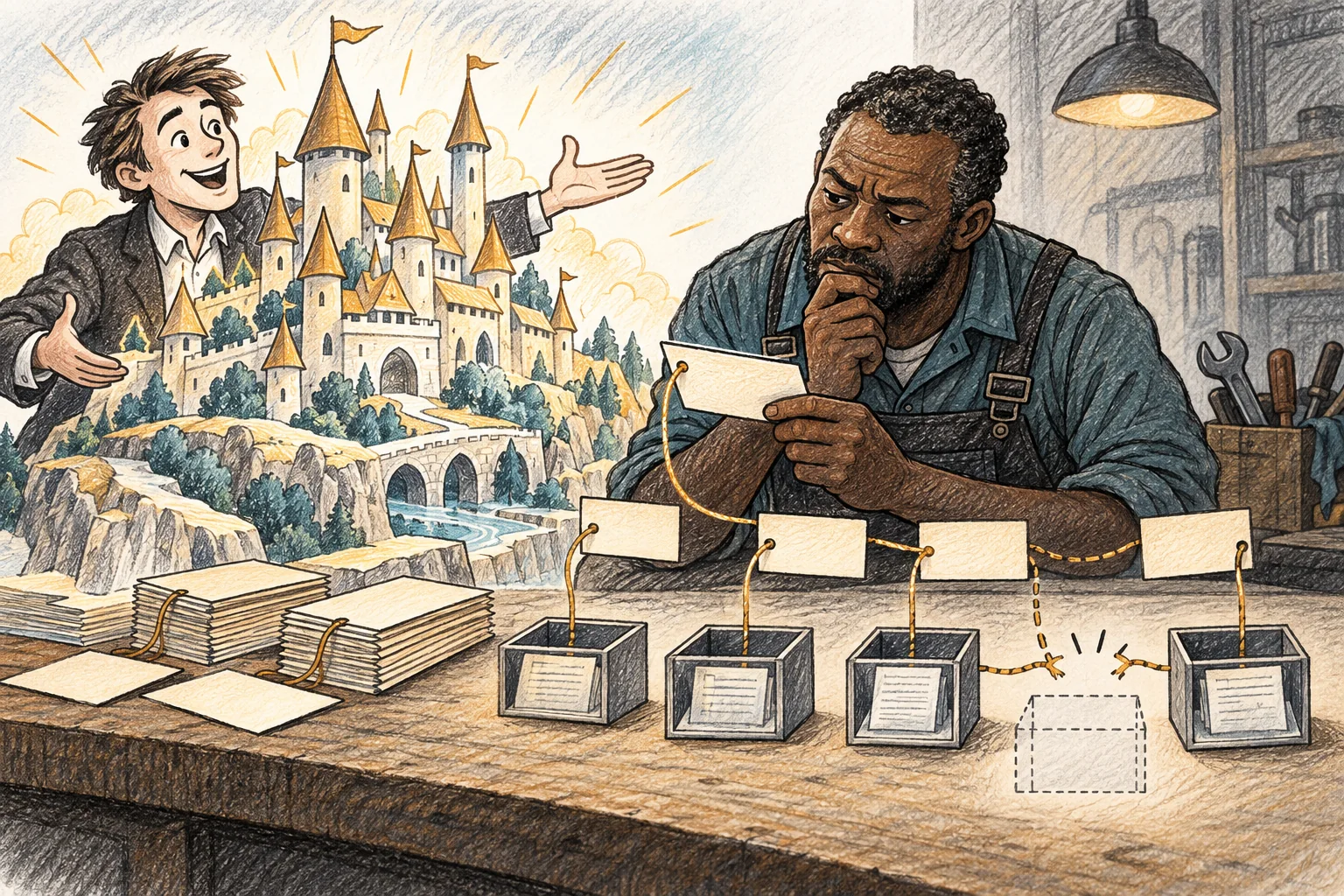 05 / Foundations
A convincing story still owes you evidence
Claims, sources, probability, circular arguments, and the difference between a reason and an excuse.
Read the full lecture ↗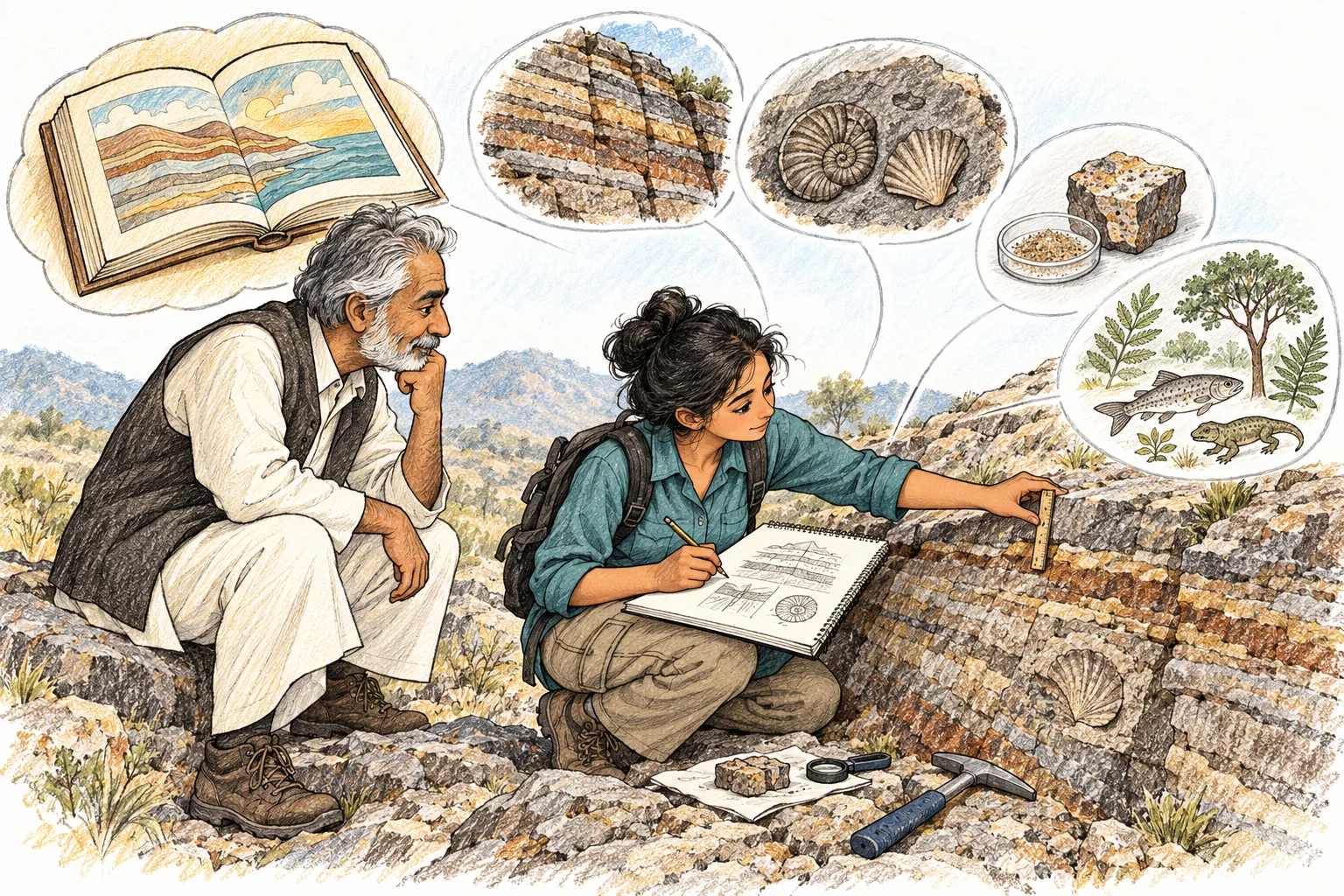 06 / Foundations
Reality does not owe doctrine an exception
How scientific testing works, what dating actually measures, and how to examine miracles.
Read the full lecture ↗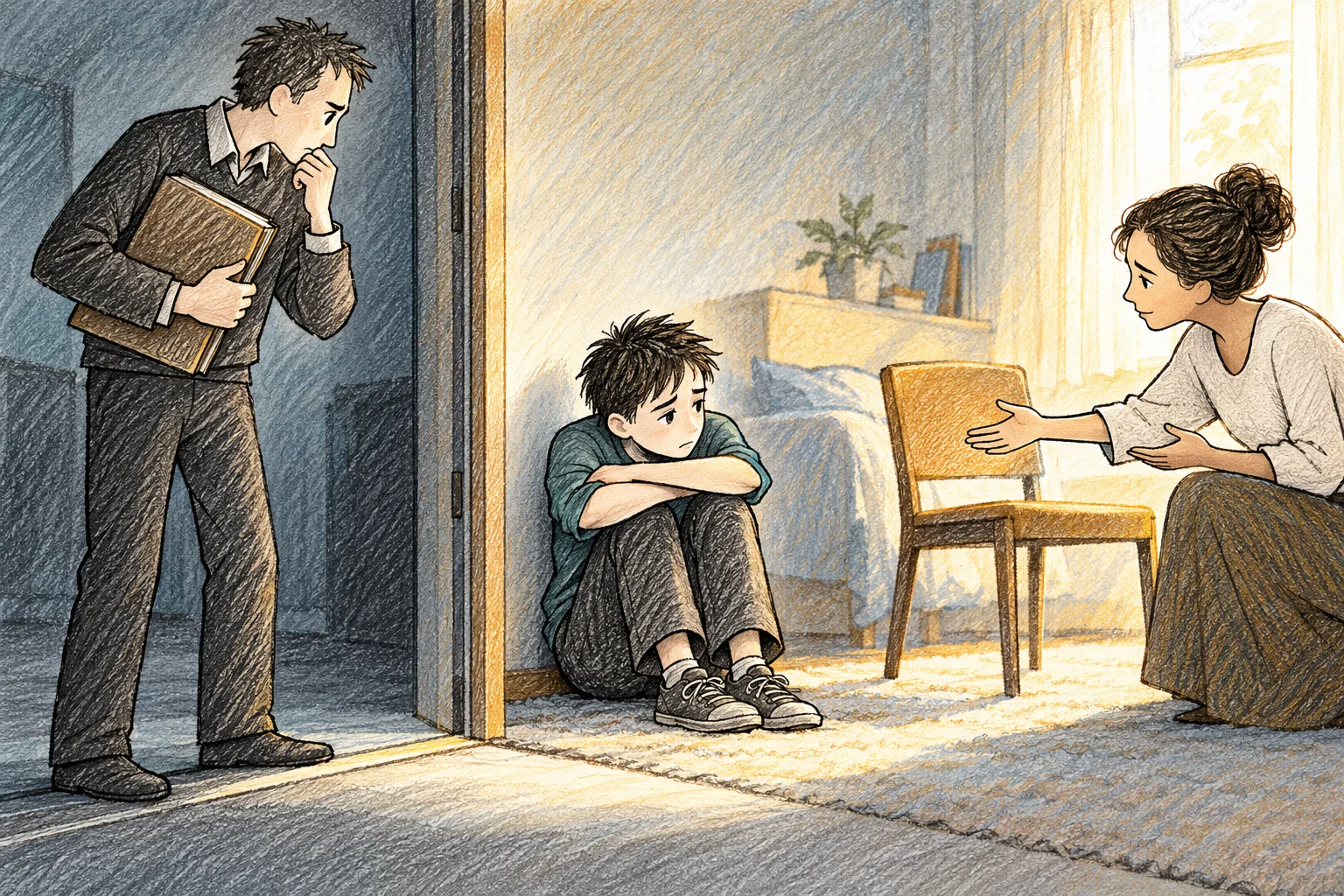 07 / Foundations
When obedience takes morality’s place
Human consequences, divine commands, accountability, and the machinery of sacred harm.
Read the full lecture ↗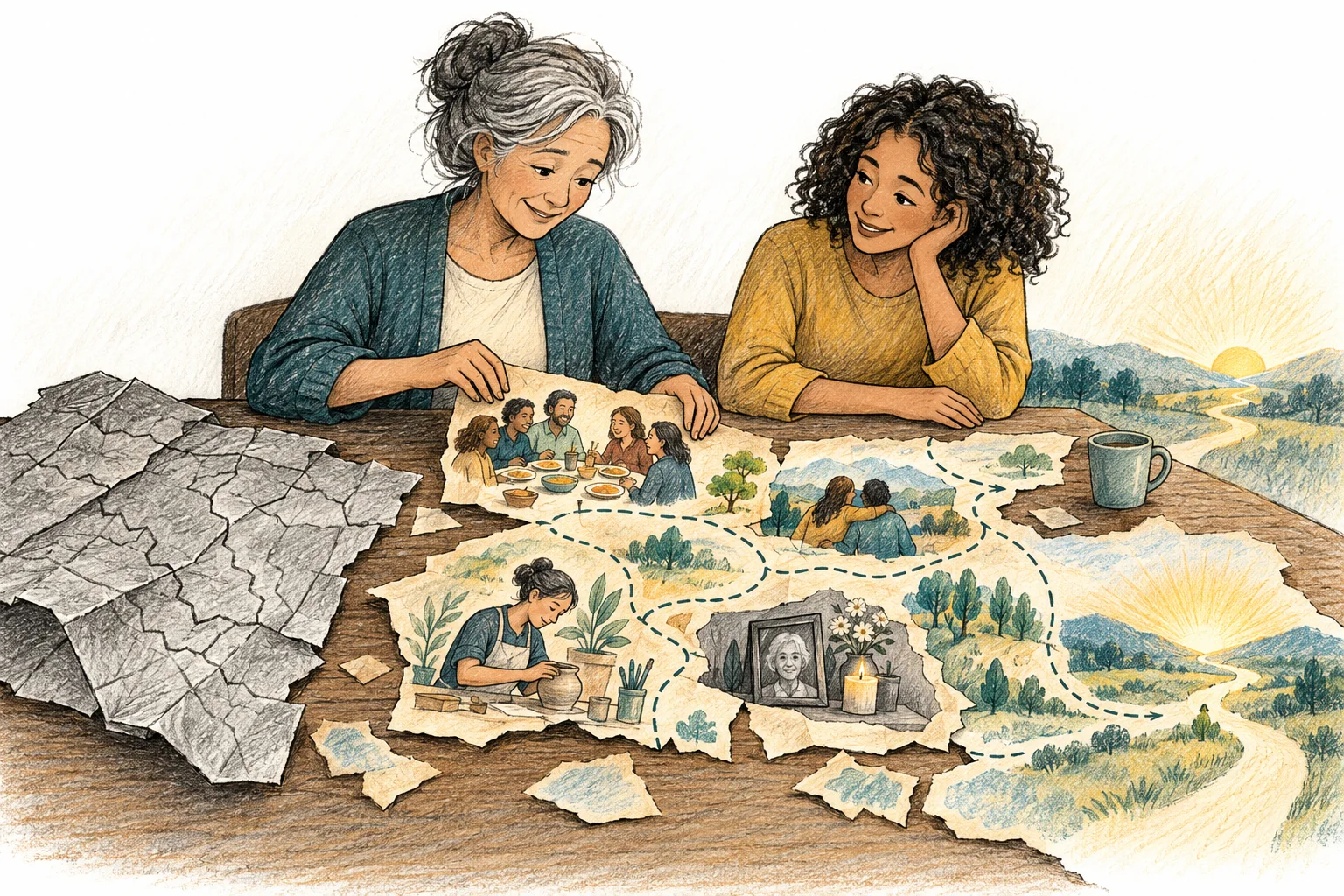 08 / Foundations
A life you can keep revising
Build meaning, community, and a working relationship with uncertainty after inherited certainty.
Read the full lecture ↗“I want people to get a say in the life they are living.”
Joe Rounsaville
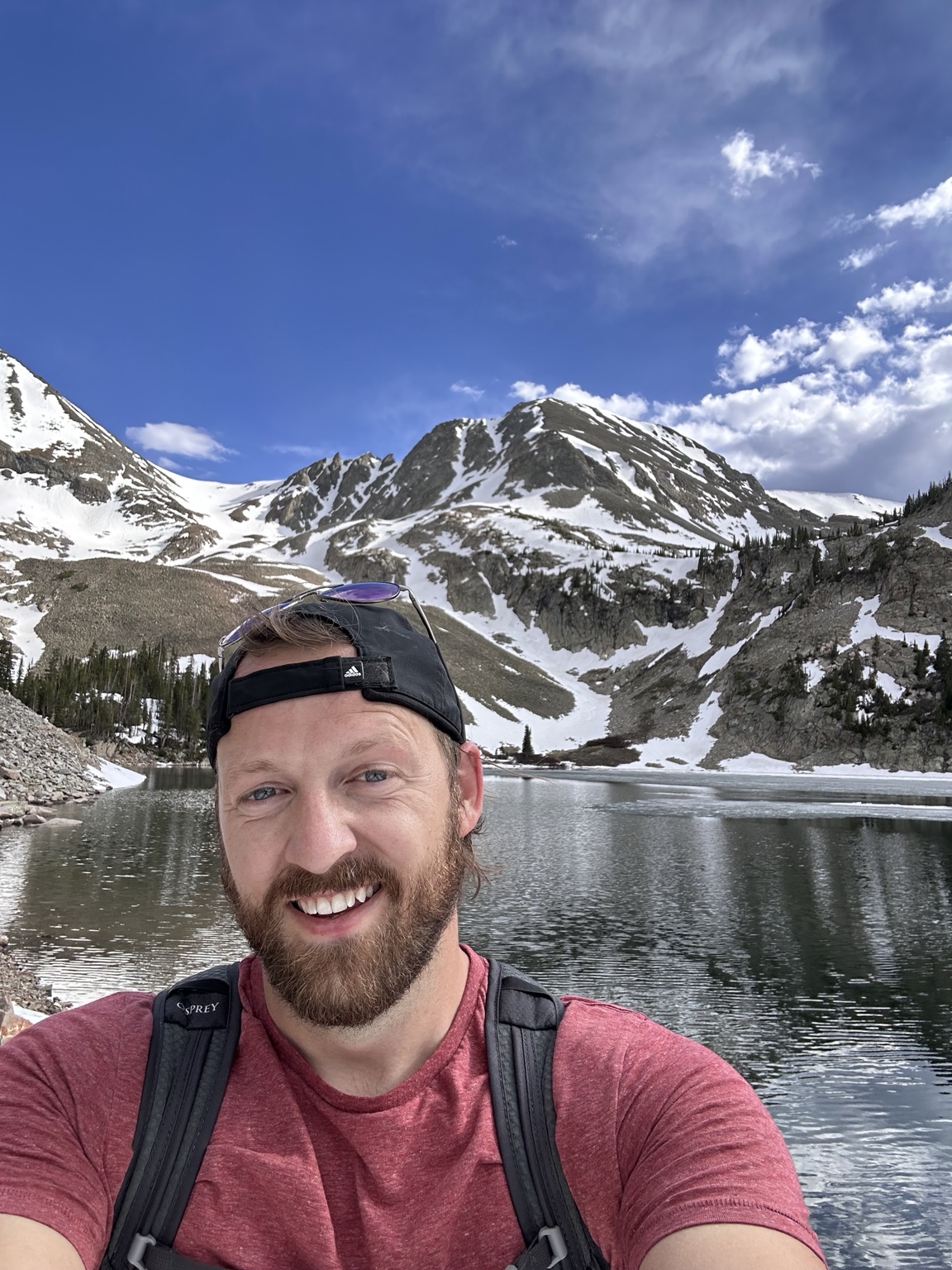
I grew up inside religion. I know what it is like for an inherited explanation to feel like reality itself, and for questioning it to feel like doing something wrong. My concern is how much of a life can be shaped before a person gets a fair chance to examine the instructions.
I've also spent much of my working life figuring out why things don't work. Automotive, mechanical, electrical, construction. You can be certain about a diagnosis and still have to change your mind when the evidence points somewhere else. I want that willingness to extend to the beliefs that shape a whole life.
I want to travel, teach, and challenge the claims being carried into other people's communities. I want the material to be useful after I leave. People should be able to turn the same questions back on me.
There are things I am still figuring out. This project has to stay open to that. If an argument of mine is wrong, show me where and bring the evidence.
Help put the
teaching to work.
The funding plan covers outreach travel, local collaboration, translation, and free learning materials.
Support & transparency ↗A funded visit should have a host, a purpose, a budget, and a clear account of what happened. Those details matter as much as the conviction behind the trip.
Donations are not open yet. The support page keeps the intended use of funds and current project status visible. The full curriculum is already available to read without an account.
Inspect the research behind the lessons ↗