Show up.
Ask the questions.
Religious missions take a worldview into people's lives. Our mission brings the tools to examine it, the arguments to challenge it, and the room to choose.

The purpose
is practical.
Curriculum available · Field program in developmentRoom for Why aims to reach communities where religious campaigns are presenting unsupported claims as certainty, especially where people have limited access to competing information or face a high cost for disagreement. We teach science, evidence evaluation, emotional awareness, and moral autonomy, and respond directly to the claims being made.
The central problem is the combination of emotional attachment and protected authority. When a belief promises safety, meaning, forgiveness, and belonging, a challenge to the belief can feel like a challenge to survival. The curriculum helps people separate those needs from the truth of the explanation offered to satisfy them.
Joe's plan is to travel, collaborate with local hosts, deliver free adult workshops, and leave complete lessons that can be reused. Public claim-response articles and invited conversations can extend that work beyond a single room. The website already contains the full teaching material.
The proposed field sequence is local review, one small pilot, documented feedback, revision, then wider travel. No field dates or institutional partnerships are confirmed yet. The first pilot will test whether the material is understandable and usable before the project claims broader results.
Investigate.
Respond. Teach.
Public missionary claims
Find the exact statement, source, context, and evidence. Separate what an organizer advertises from what can be independently verified. Publish a response that explains the reasoning and gives the reader a useful next question.
Community education
Work with local educators, translators, and hosts to make lessons accessible. Offer the lectures, practical demonstrations, discussion, and worksheets. Keep material available in a form people can use after the session.
Field preparation
Train facilitators to handle testimony, fear, morality, historical claims, and scientific evidence. Practice representing a claim accurately, identifying its weak step, and accepting correction when the evidence warrants it.
Four complete lectures.
Read them here.
These build on the eight foundation lectures in the full curriculum.
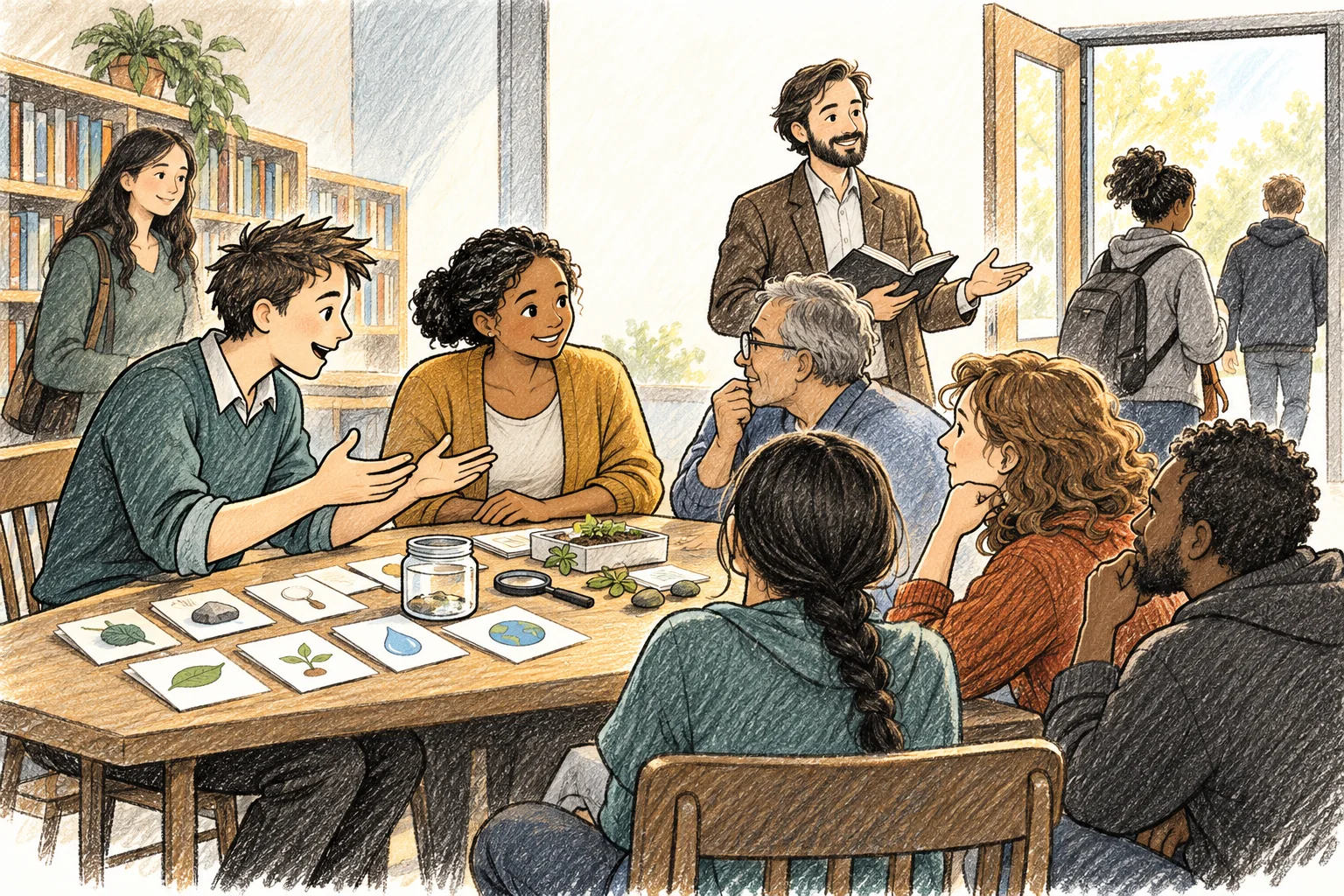 09 / Field training
Why humanist missionary work?
Meet religious outreach with education, visible alternatives, and a practical commitment to autonomy.
Read the full lecture ↗ 10 / Field training
Answer the claim. Keep the person in the room.
Worked conversations about testimony, hell, morality, scripture, and the demand for certainty.
Read the full lecture ↗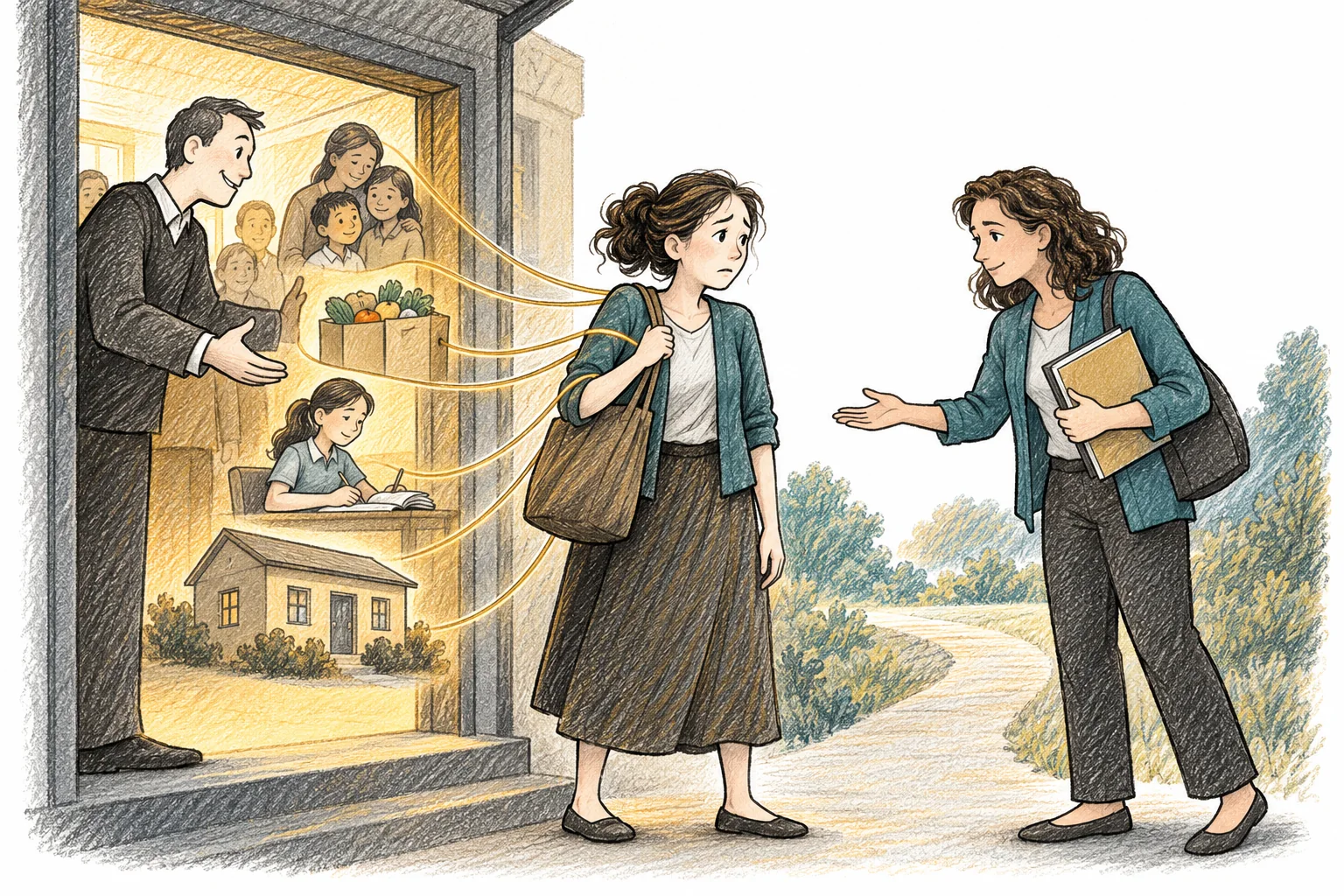 11 / Field training
Who can actually afford to say no?
Choose outreach priorities, investigate public claims, and protect the people carrying the risk.
Read the full lecture ↗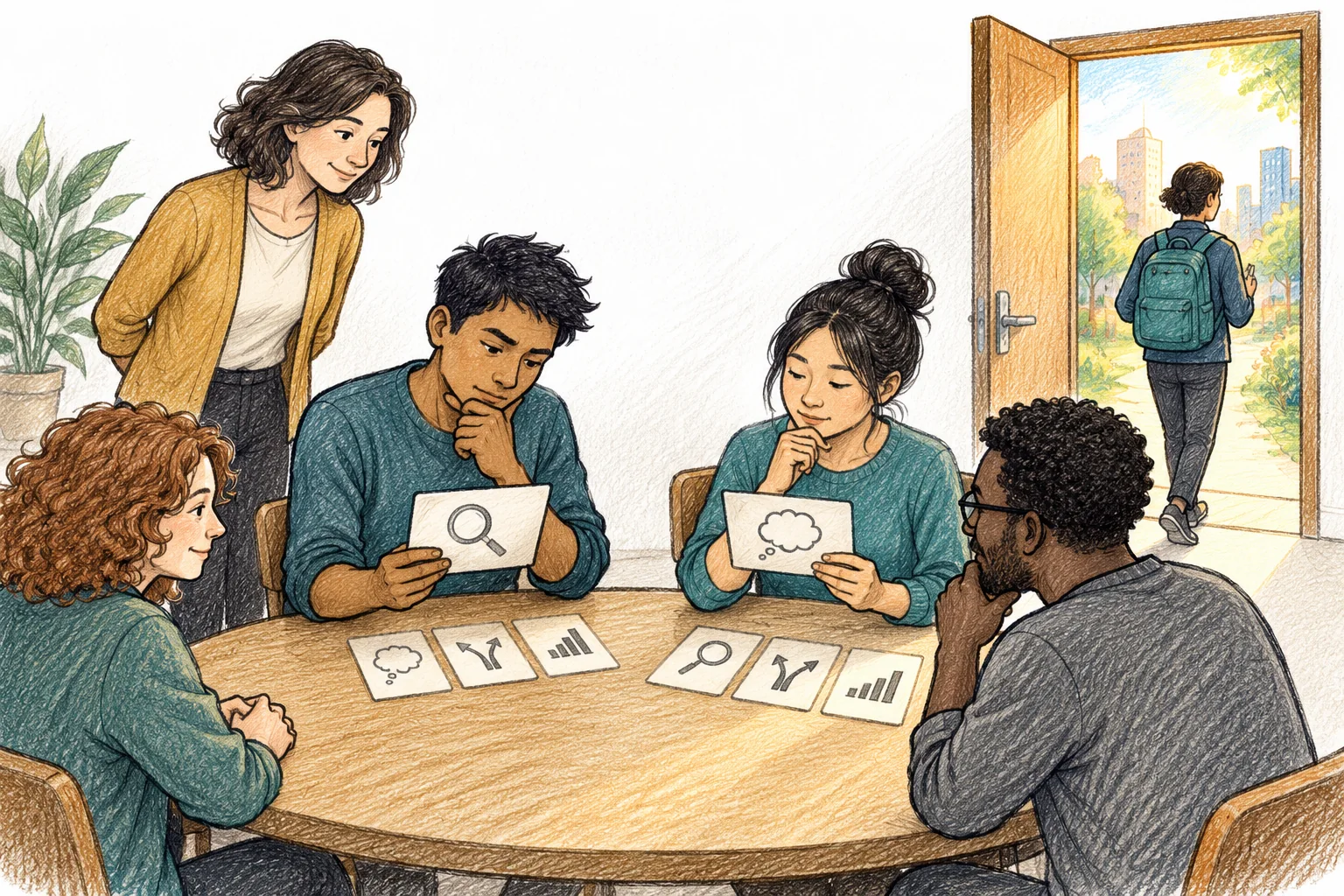 12 / Field training
Leave people with something they can use
A complete workshop method, facilitator practice, and an honest way to judge the result.
Read the full lecture ↗Who can actually
afford to say no?
Look at the conditions surrounding belief. Can someone reach outside information? Can they disagree without losing essential support? Are they taught that questioning itself is wrongdoing? Do they have people and places outside the institution they are being asked to trust?
These questions determine outreach priorities. A well-connected adult at an open public event has different options from a person whose schooling, housing, and social world depend on one organization. Local people should help establish the facts and decide what kind of educational presence would be useful.
Before a visit, identify a willing host, an appropriate language, a clear learning goal, practical access needs, and the consequences participants might face. Start with adults who can opt in. Any youth program requires a separate design and qualified local responsibility.
Read the fieldwork method ↗Make the argument
show its work.
Keep the claim exact.
Record what was said, by whom, where, and when. Preserve context. A public claim deserves a response to its actual content.
Ask what establishes it.
Trace sources. Check whether they are independent. Identify the move from experience, authority, or testimony to the conclusion.
Apply one evidence standard.
Ask whether the same reasoning would establish a rival belief. Request the finding that would change the speaker's mind.
Give people a usable explanation.
Show the missing step, offer a worked alternative, and explain what evidence would help settle the question. Keep the answer readable without outside research.
Keep correction possible.
If new evidence changes the result, update the response. Our own position must face the same scrutiny.
90 minutes.
One claim, examined.
Proposed adult pilot format. Use the full facilitator lecture for explanations, worked answers, and assessment.
| Time | Teaching | What participants do |
|---|---|---|
| 0–10 min | Purpose and choice | Discuss what makes a claim trustworthy; choose whether and how to participate. |
| 10–25 min | Experience and explanation | Separate “I felt peace” from the claim about what caused it. |
| 25–45 min | Evidence and a fair test | Name alternatives, relevant records, and an outcome that would challenge the claim. |
| 45–65 min | Guided practice | Examine whether a ritual caused success or whether another explanation fits. |
| 65–80 min | Independent application | Check whether three reports are independent evidence or copies of one account. |
| 80–90 min | Feedback and take-away | Compare reasoning, criticize the lesson, and leave with the curriculum and worksheet. |
Can they use
the skill?
The proposed pilot assessment uses four questions. Can the participant state a claim clearly? Identify a relevant alternative? Name appropriate evidence? Explain what would change their confidence?
Use comparable but different tasks before and after the session, record completion and language, and invite later follow-up. Keep attendance, satisfaction, and agreement with humanism separate from demonstrated reasoning.
The curriculum has not yet been evaluated as a program. Early results should report what was observed, the size and circumstances of the group, missing responses, and the explanations that remain possible. The teaching should change when the evidence shows a weakness.
Keep people
in control.
Say why we are there.
The humanist purpose is explicit. Help is never conditioned on agreement. Participants can disagree, pass, or leave.
Let local knowledge shape the plan.
Hosts and language partners help choose examples and format. Individual participants decide what they share and whether they are identified.
Leave useful material.
Every lecture can be read here and printed. The worksheet can be completed and downloaded without submitting entries to the project.
Report the work accurately.
Public claims, planned events, completed sessions, and demonstrated outcomes need distinct records. No invented field stories or success totals.
Review the teaching.
Ask an educator and relevant subject reviewers to assess the material and examples.
Prepare a local pilot.
Agree on a host, language, adult audience, contact route, participation arrangements, and session plan.
Publish a concrete budget.
Identify transport, lodging, local work, printing, administration, and any founder expenses.
Teach, document, and revise.
Report what happened and what needs improvement before expanding the travel program.