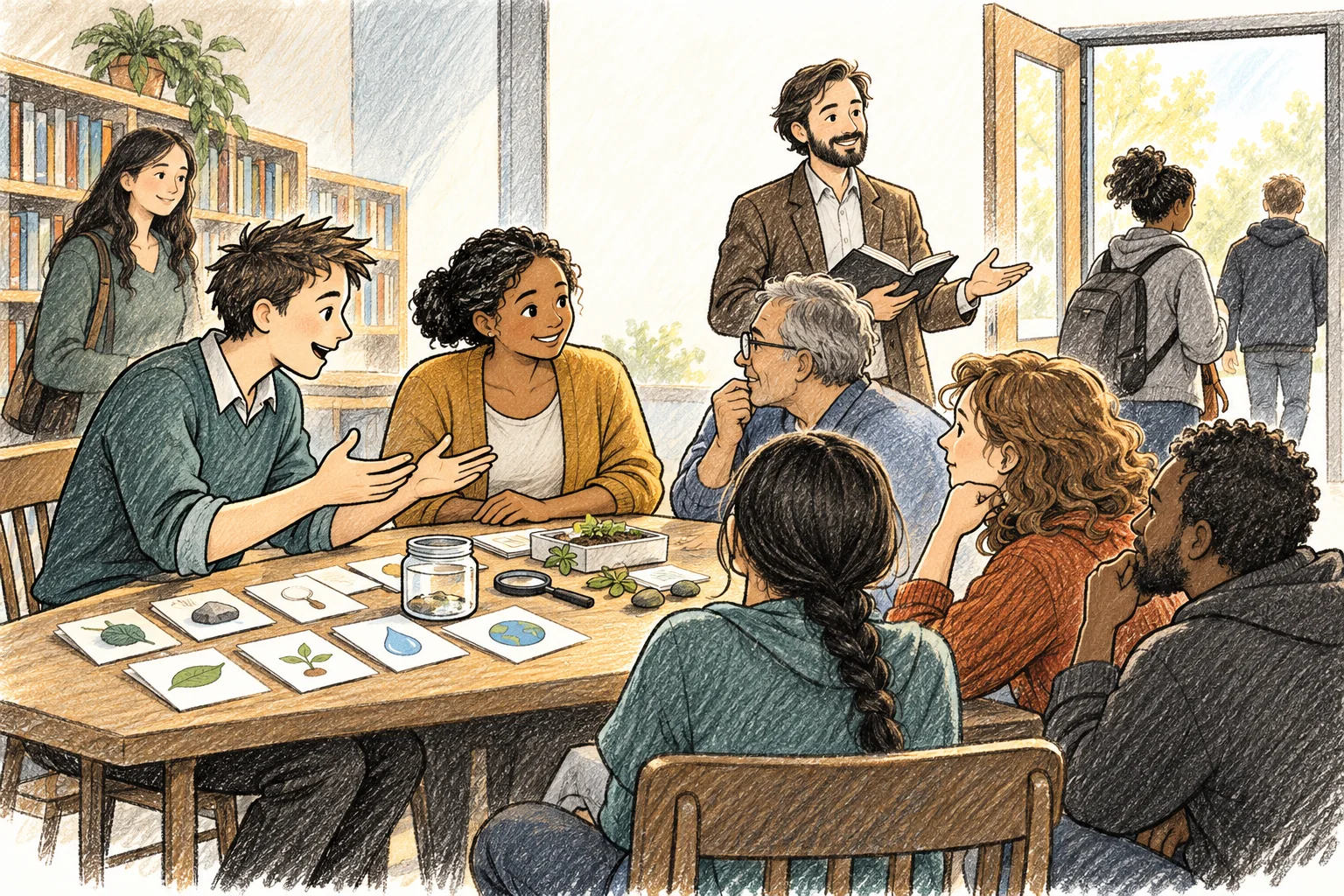
Go where the claims are being made
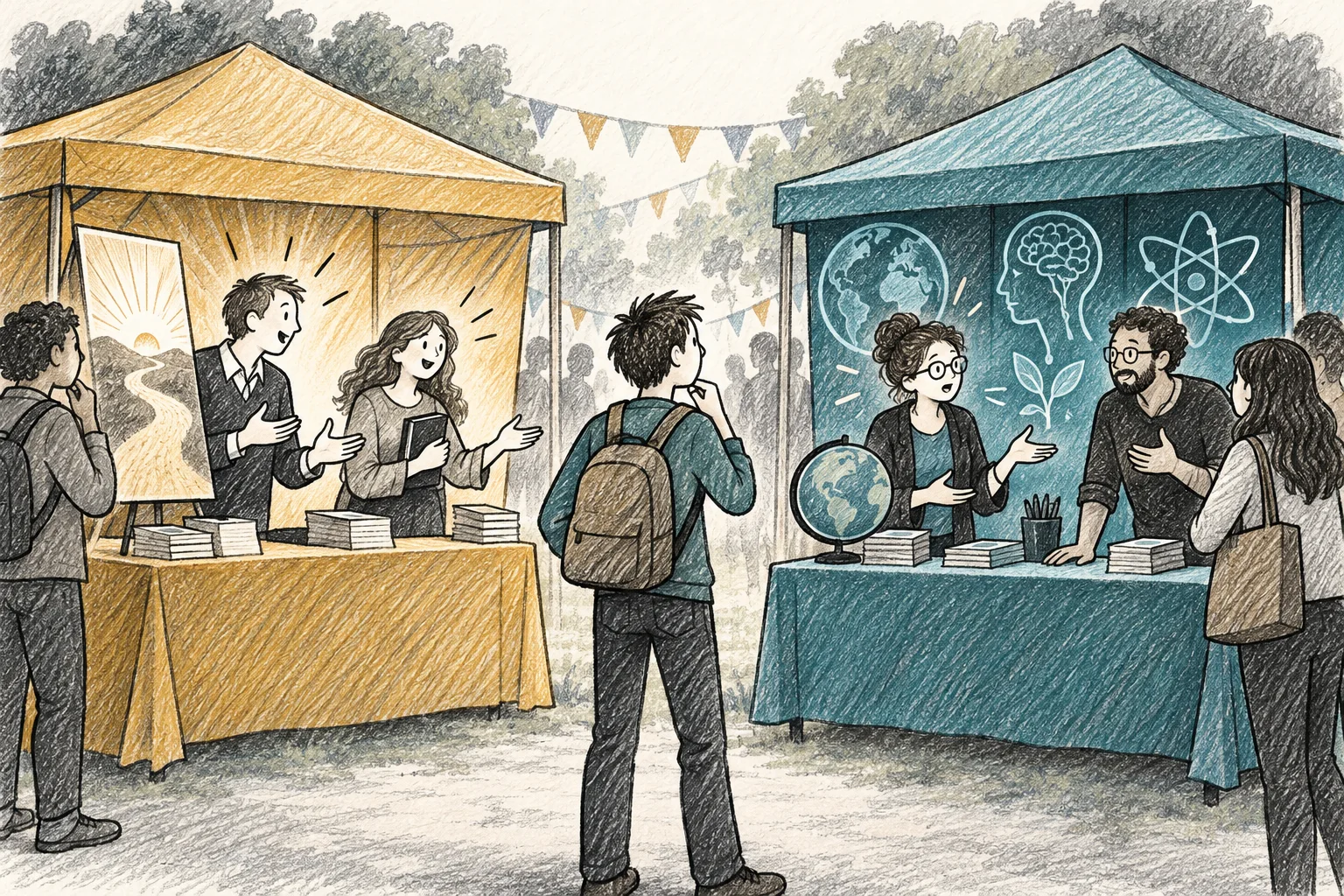
Religious organizations send people into communities to teach a worldview, recruit believers, and shape how people understand their lives. A humanist response should be willing to show up too. If unsupported claims are being presented as certainty, people deserve accessible ways to question them and visible alternatives to the worldview being offered.
That is why this project uses the word missionary. There is a mission: bring reasoning, science, emotional literacy, and the freedom to examine belief into places reached by religious outreach. State that purpose openly. Then make the material strong enough that people can examine our arguments as carefully as anyone else's.
The ambition is to travel, teach, answer claims, and leave useful material behind. The practical work begins with a community that wants a conversation, a local host, an accessible language, and a clear educational purpose. We have a curriculum to use now. Field dates and partnerships still need to be established.
What we are challenging
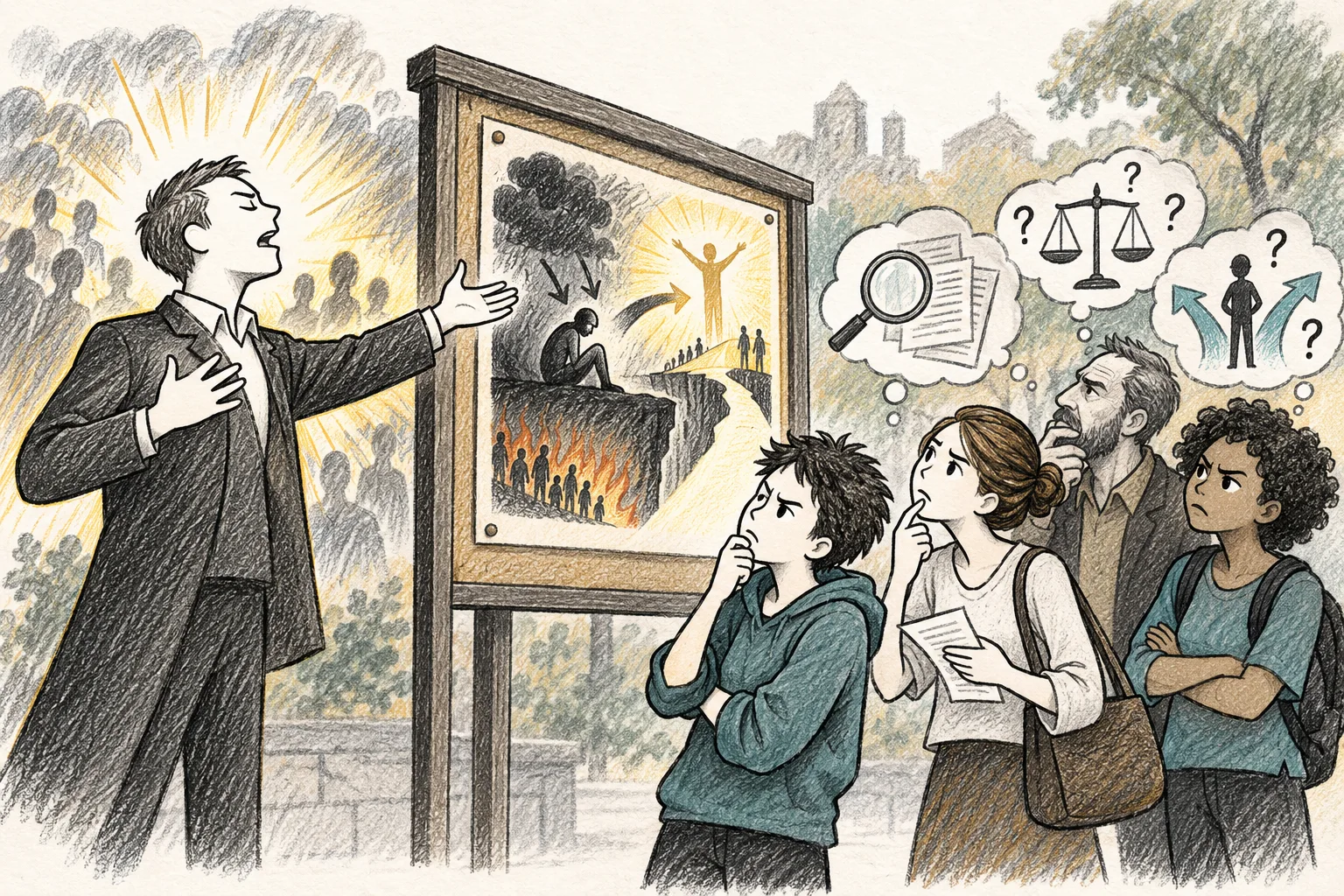
The target is a combination of unsupported certainty and power. A missionary may sincerely believe they are saving people. Sincerity does not establish their claims, and a sense of divine purpose does not entitle them to another person's agreement. We can ask what they know, how they know it, and what freedom the audience retains to refuse.
When a message tells people they are broken, condemned, or spiritually unsafe and then offers the speaker's doctrine as the necessary cure, examine that structure. What evidence establishes the threat? What obligations arrive with the offered relief? Does receiving food, schooling, medical attention, or belonging create pressure to agree?
These are questions to investigate in a specific program. Obtain the actual teaching and the terms of participation. A response gets stronger when it names the precise claim, the specific practice, and the evidence. It gets weaker when it fills a gap in knowledge with a confident accusation.
Our philosophical starting point is secular humanism: human welfare and human agency deserve direct consideration, and claims should remain open to scrutiny. Research note 9
What we are bringing
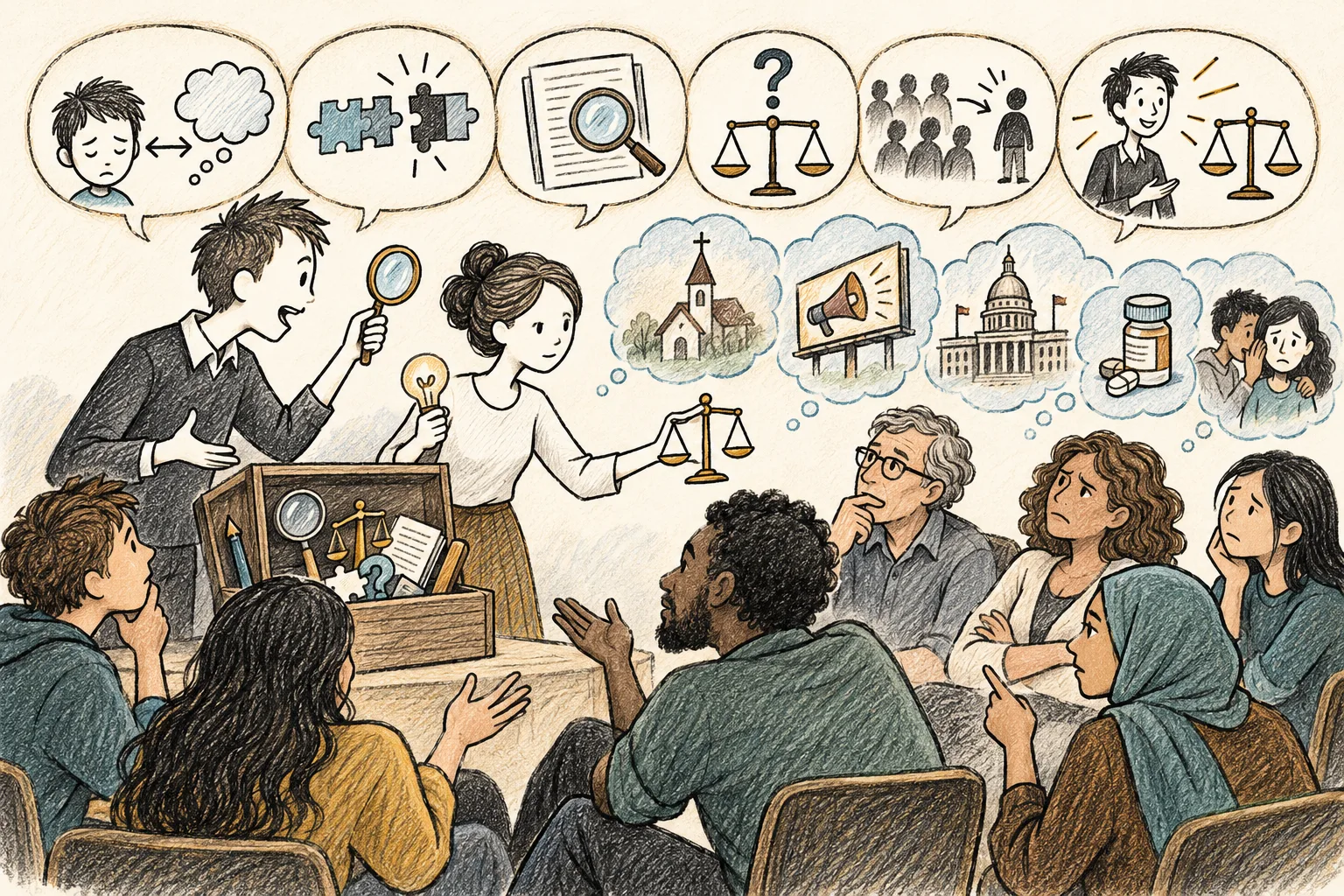
The curriculum gives participants several usable abilities. Separate a feeling from its explanation. Identify an unsupported step in an argument. Follow a citation to its origin. Ask what evidence would change a belief. Recognize when the cost of disagreement is doing the persuading. Apply the same standards to a speaker they like.
Those abilities support direct criticism of religious claims. They also travel beyond religion into advertising, politics, health claims, and interpersonal pressure. A participant should be able to use them after the visitor has left and when the visitor turns out to be mistaken.
Offer complete teaching on the page and in the room. Do not hand someone a pile of links and call it education. Introduce a question, explain the reasoning, work through an example, let the learner try, and discuss the result. Sources remain available for inspection, but the lesson must make sense on its own.
The power problem belongs to us too
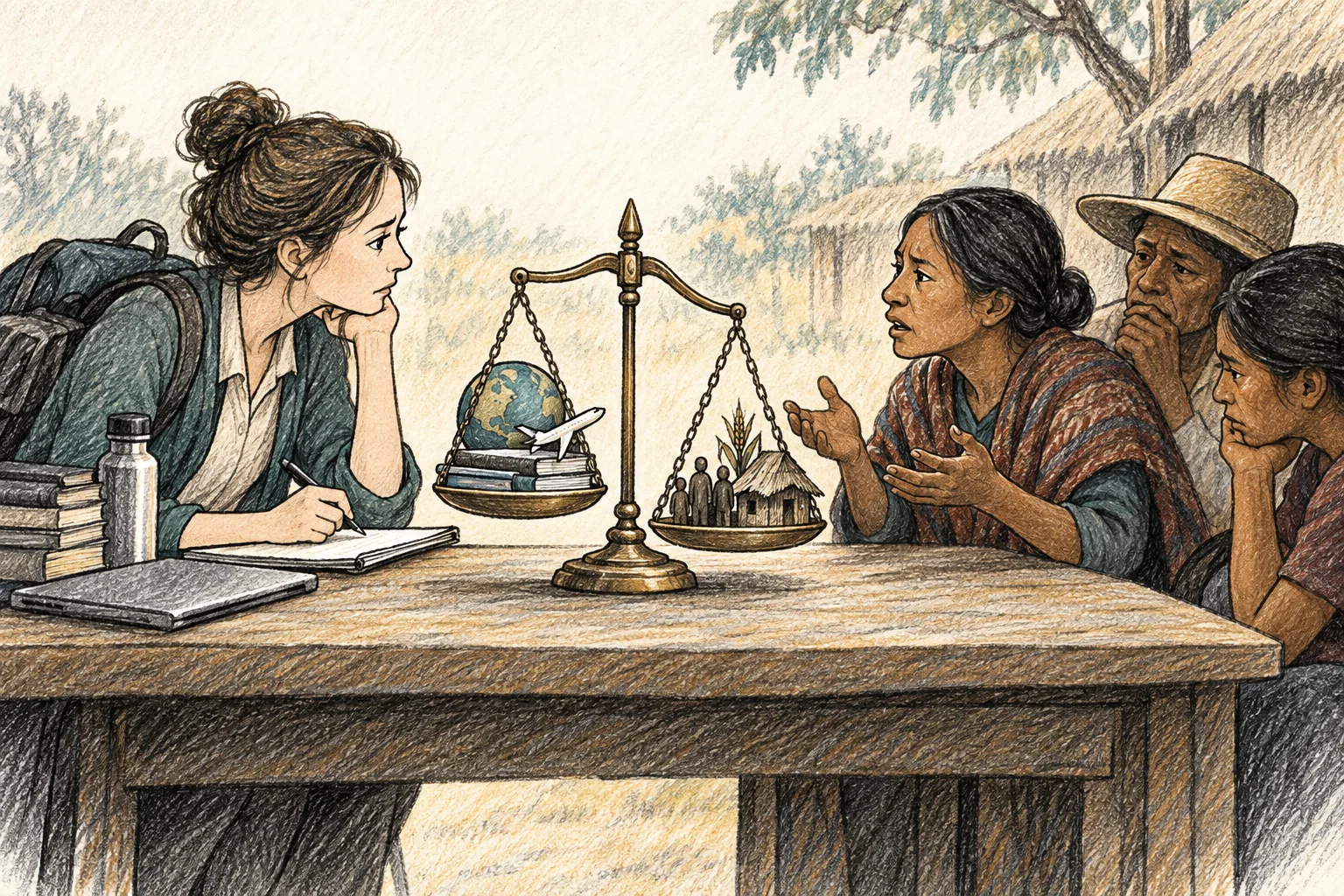
Outreach involves choices about who speaks, what is translated, whose needs set the agenda, and who leaves when the session is over. The visitor may carry resources and freedom to move while the participant carries the consequences of being seen to question a local authority.
The history documented in the federal Indian boarding school investigation shows how an asserted educational mission can serve assimilation and dispossession. That record gives us a serious reason to examine authority within our own project. Research note 13
Work with local people as partners who can change the plan. Pay for agreed work when funds allow, credit contributions with permission, and ask what participation would expose. A local host's agreement does not replace an individual's choice. Keep aid and attendance independent of belief, and let someone leave without turning their refusal into evidence of ignorance.
From a public claim to a useful response
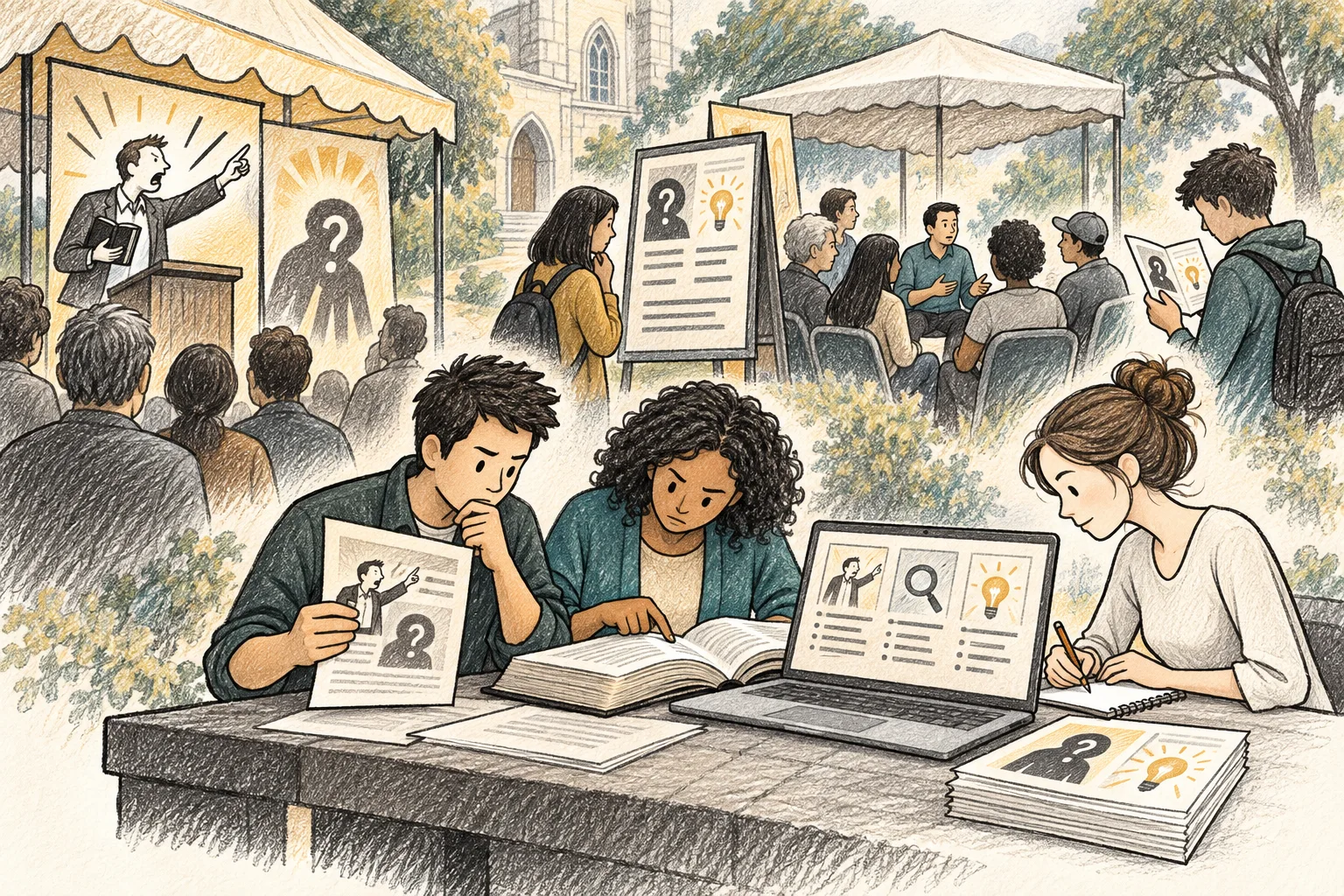
Imagine a publicly advertised missionary event claiming that doubt is a moral failing. A constructive response can take several forms: an on-site article explaining why questions matter, an invited community discussion, a public exchange with the organizer, or printed lessons people can read privately. Choose the form that makes the reasoning accessible and gives participants control over exposure.
A response should state the original claim accurately, show the missing support, explain the alternative, and offer a question the reader can use. If the issue is “doubt is dangerous,” ask what process allows an erroneous teaching to be corrected. A doctrine that treats every challenge as wrongdoing has made its own error-detection process the target.
There is no requirement to sound apologetic about that criticism. “What evidence would change your mind?” can be direct. So can naming a rigged test when its rules have been demonstrated. The substance has to carry the force.
Exercise: write the mission in practical terms
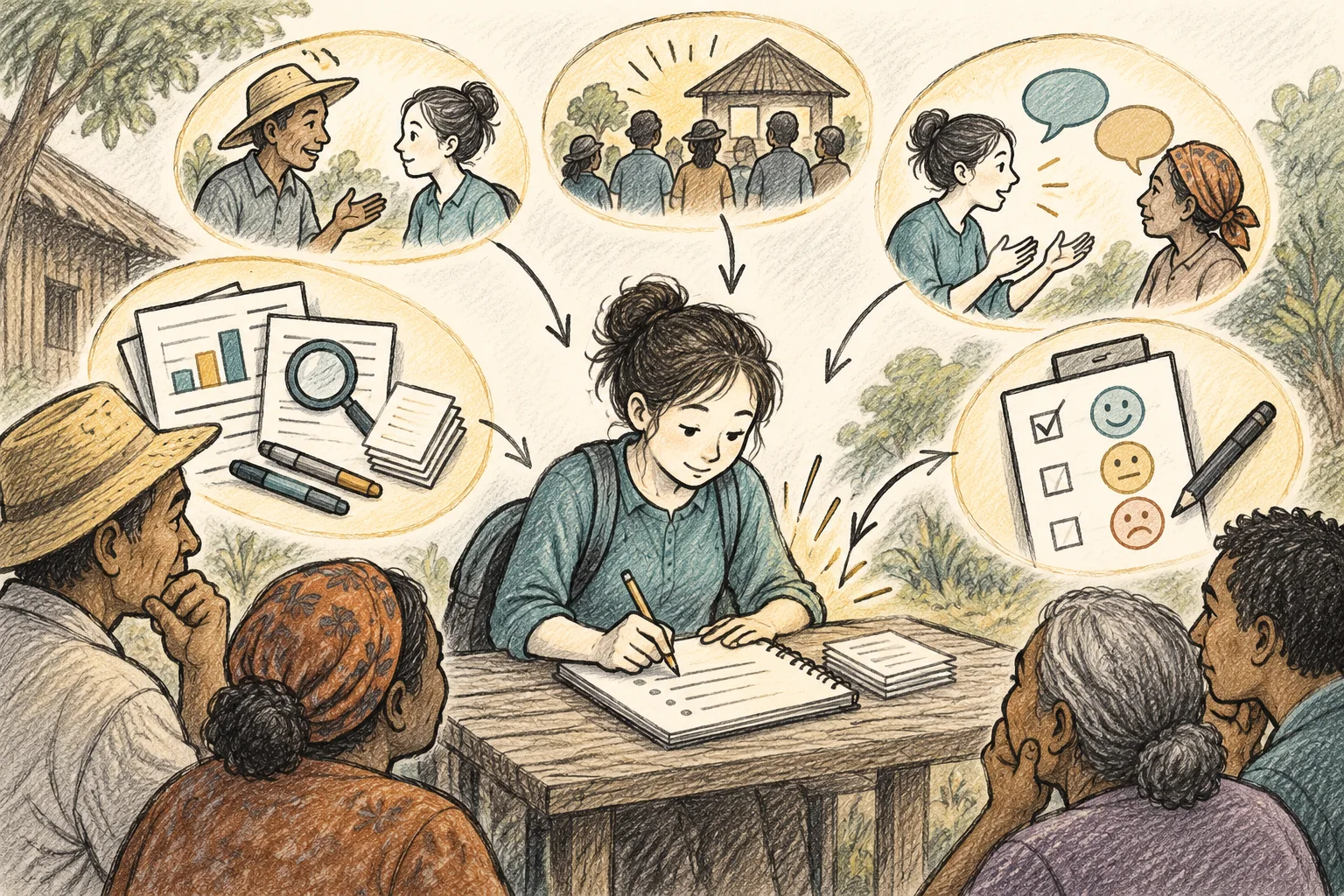
Choose a hypothetical community request: adults want help evaluating a public claim that prayer guarantees protection from illness. Write a one-paragraph session purpose, three learning goals, the materials required, and what participants will leave with. Keep medical decisions with qualified care; the educational task is to examine the guarantee and its evidence.
A workable purpose might be: “Participants will distinguish a promise from an observed result, identify what records would be needed, and compare the claim with alternatives.” That purpose can be taught and assessed. “Make everybody reject religion” gives you a desired conclusion while skipping the learning process.
Discuss and carry forward
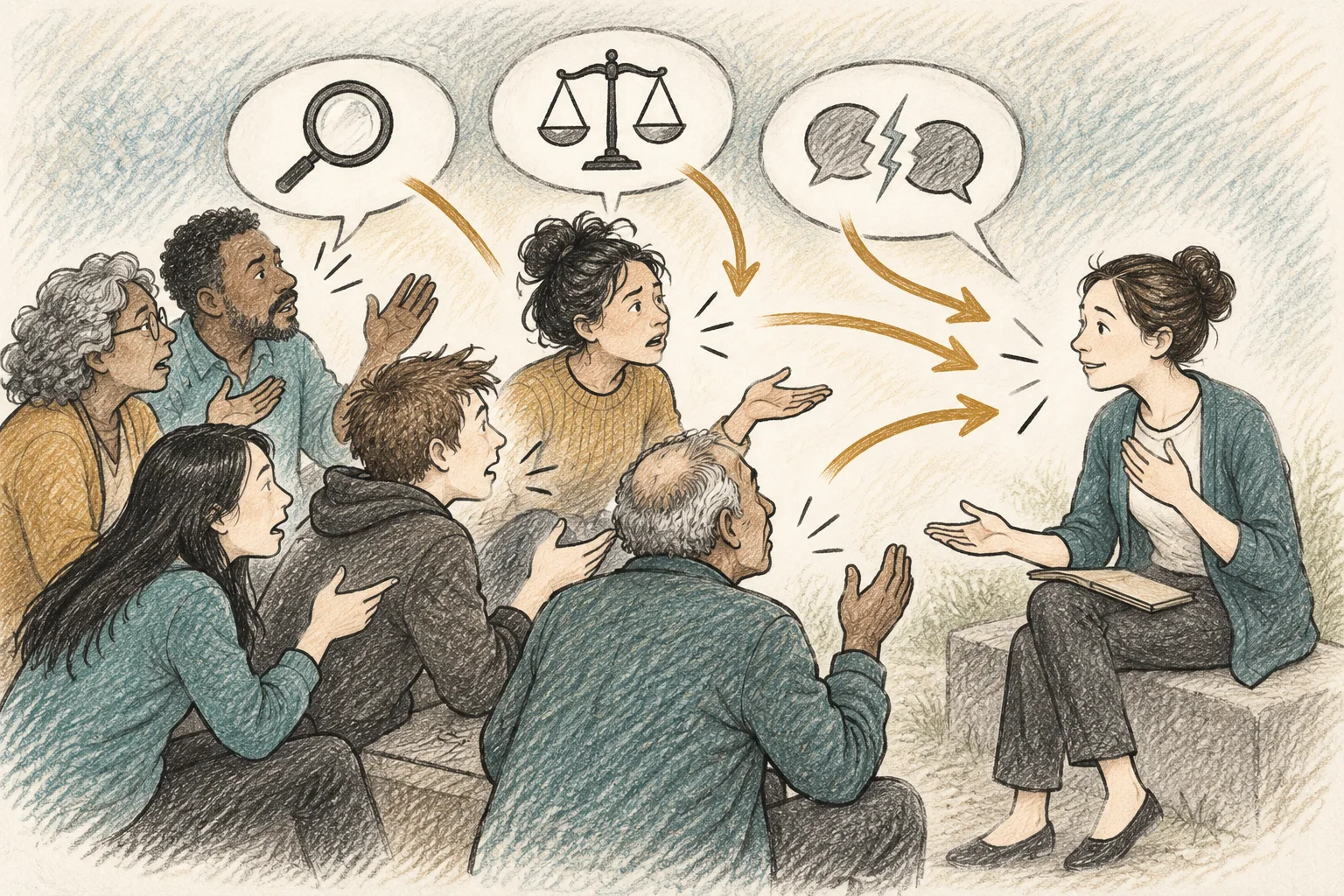
What would make you trust an outreach project enough to examine its claims? Name the conduct you would expect when you disagree with it. Then apply those expectations to us. The next lecture practices the actual conversations.