
A command still needs a reason
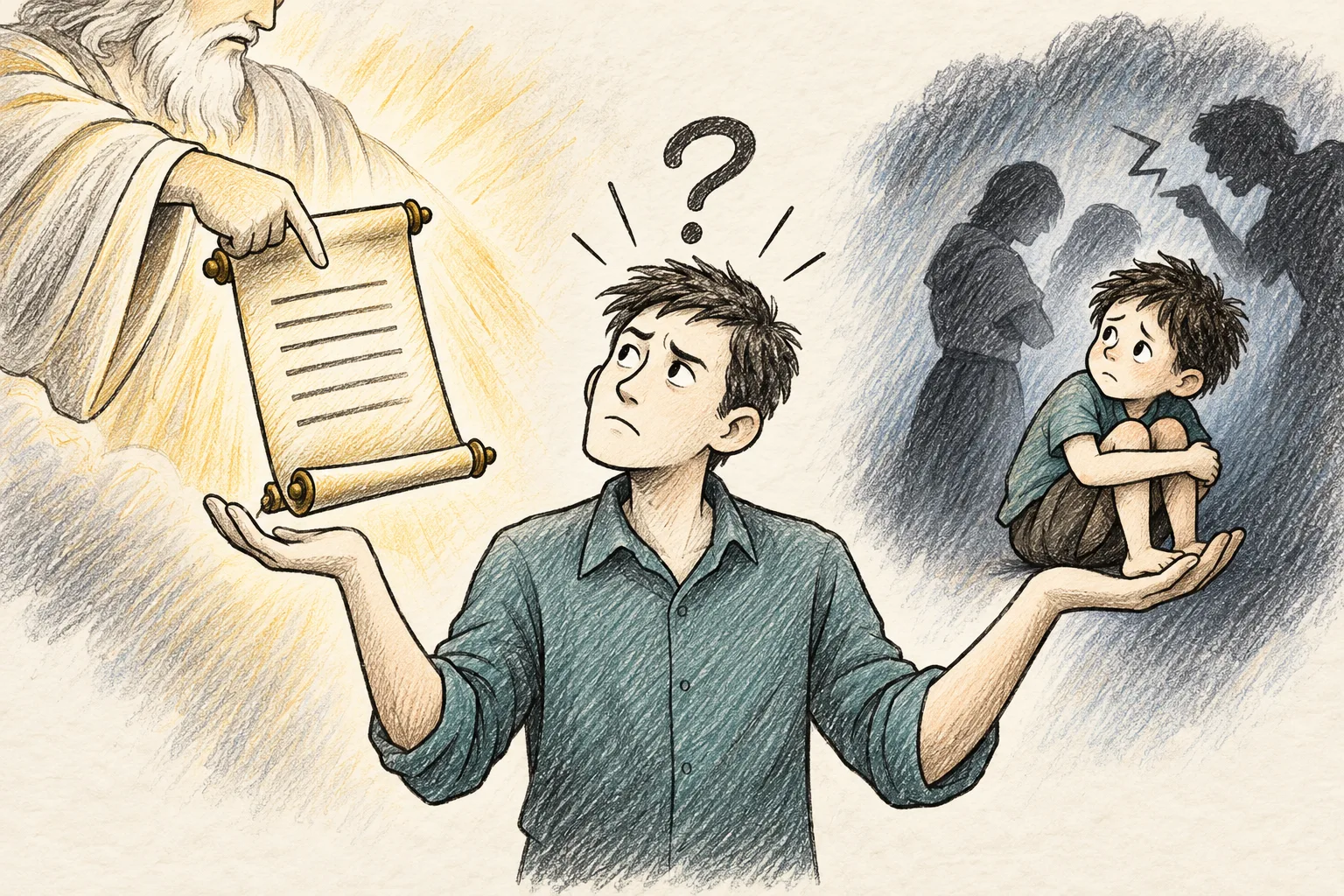
A person says an action is good because God commands it. Ask what makes the command good. If the answer is that it protects people, reduces harm, or respects their agency, those are reasons we can examine. If the answer is simply that the authority issued it, obedience has taken the place where moral reasoning should happen.
This matters because authorities can demand harmful things. A doctrine may require someone to reject a child, excuse cruelty, or stay silent about abuse. The person affected then gets told that their suffering serves a higher purpose. The moral question has been redirected away from the human consequences and toward loyalty to the command.
Our position begins with people capable of suffering, caring, choosing, and being harmed. We judge actions through reasons that other people can inspect: consent, consequences, fairness, honesty, and the ability to repair damage. These are ethical commitments we defend. Calling them humanist makes their starting point visible. Research note 9
Goodness should not erase the person doing it

Suppose someone helps a neighbor and attributes every decent impulse to God. Ask where their own attention, effort, and judgment fit. They noticed a need. They gave time. They chose to respond. Religious language may be how they understand that action, but the human capacity to care deserves recognition.
That recognition has a practical consequence. If a person starts questioning their faith, they should be able to examine whether they can still act with compassion. The question “what stops you from doing terrible things?” deserves an ordinary answer: other people can be hurt; their lives matter; our actions have consequences; trust is worth maintaining; and responsibility remains even when nobody is watching.
Religious and secular people can each behave well or badly. The test of a moral argument is the reasons and conduct it supports. A label cannot substitute for examining how someone treats a person with less power, how they respond to criticism, or whether they repair the damage they cause.
Sacred permission can magnify harm
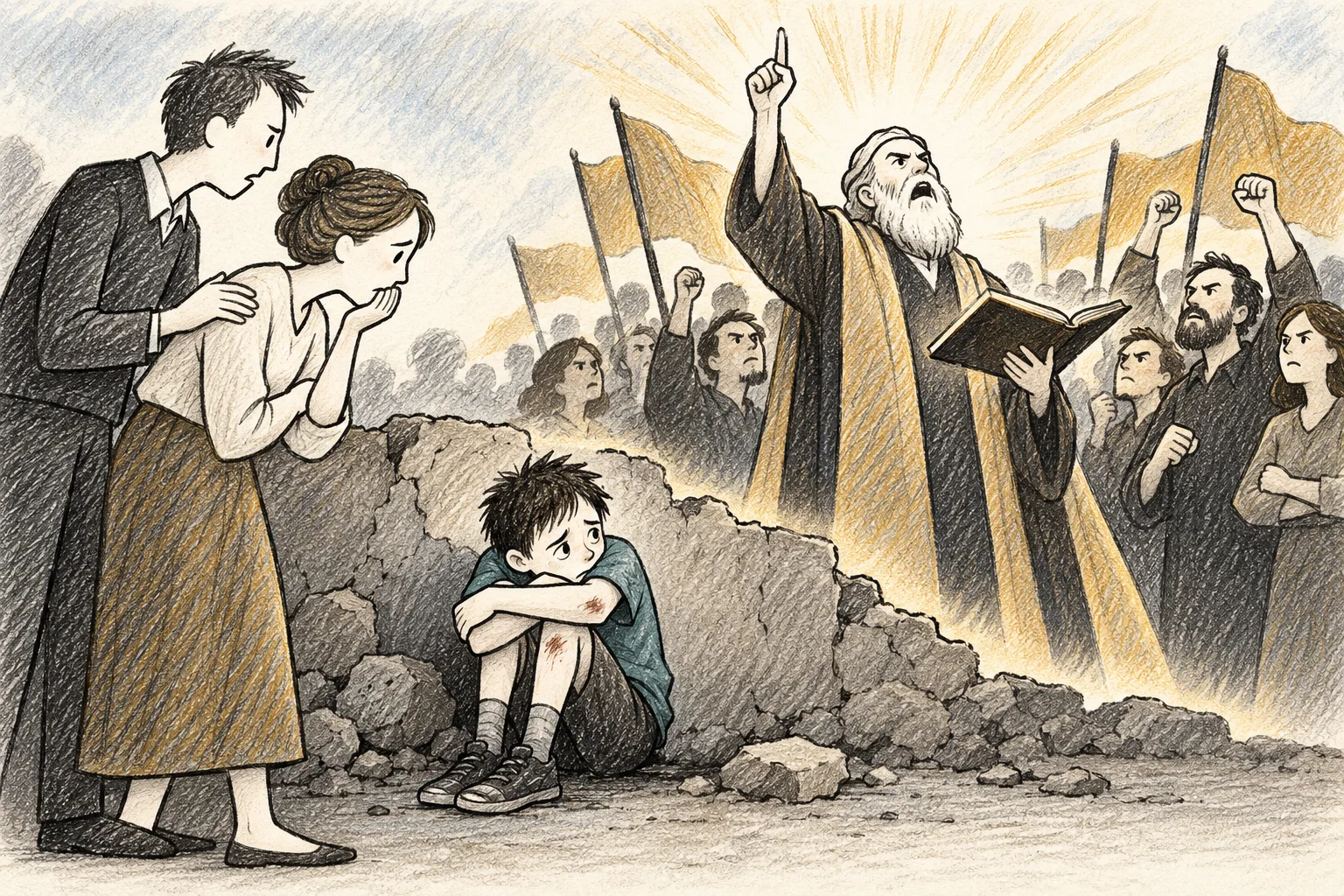
Once a cause is treated as beyond negotiation, compromise can be interpreted as betrayal. If an opponent is described as an enemy of the sacred, ordinary restraints may be pushed aside. This is a mechanism worth investigating wherever people use unquestionable authority to justify what they do to others.
Ginges and colleagues studied sacred values in Israeli-Palestinian conflict. In their experiments, adding material incentives to proposed compromises over sacred values could increase opposition among participants treating those values as nonnegotiable. The finding concerns particular negotiation scenarios and responses. It helps explain why a sacred commitment may resist ordinary bargaining. Research note 12
For a historical case, the U.S. federal Indian boarding school investigation documents a system of forced assimilation with government and religious participation. The record makes it possible to examine institutions, policy, and harm together. The responsibility does not disappear because those involved described their work as education or salvation. Research note 13
These cases let us ask a demanding question: what happens when people believe they are entitled to override another person's life for a supposedly higher good? Investigate the documents, the decisions, and the people affected. The moral weight lies in what actually happened, not in how grand a slogan we can attach to it.
Forgiveness and repair are separate tasks
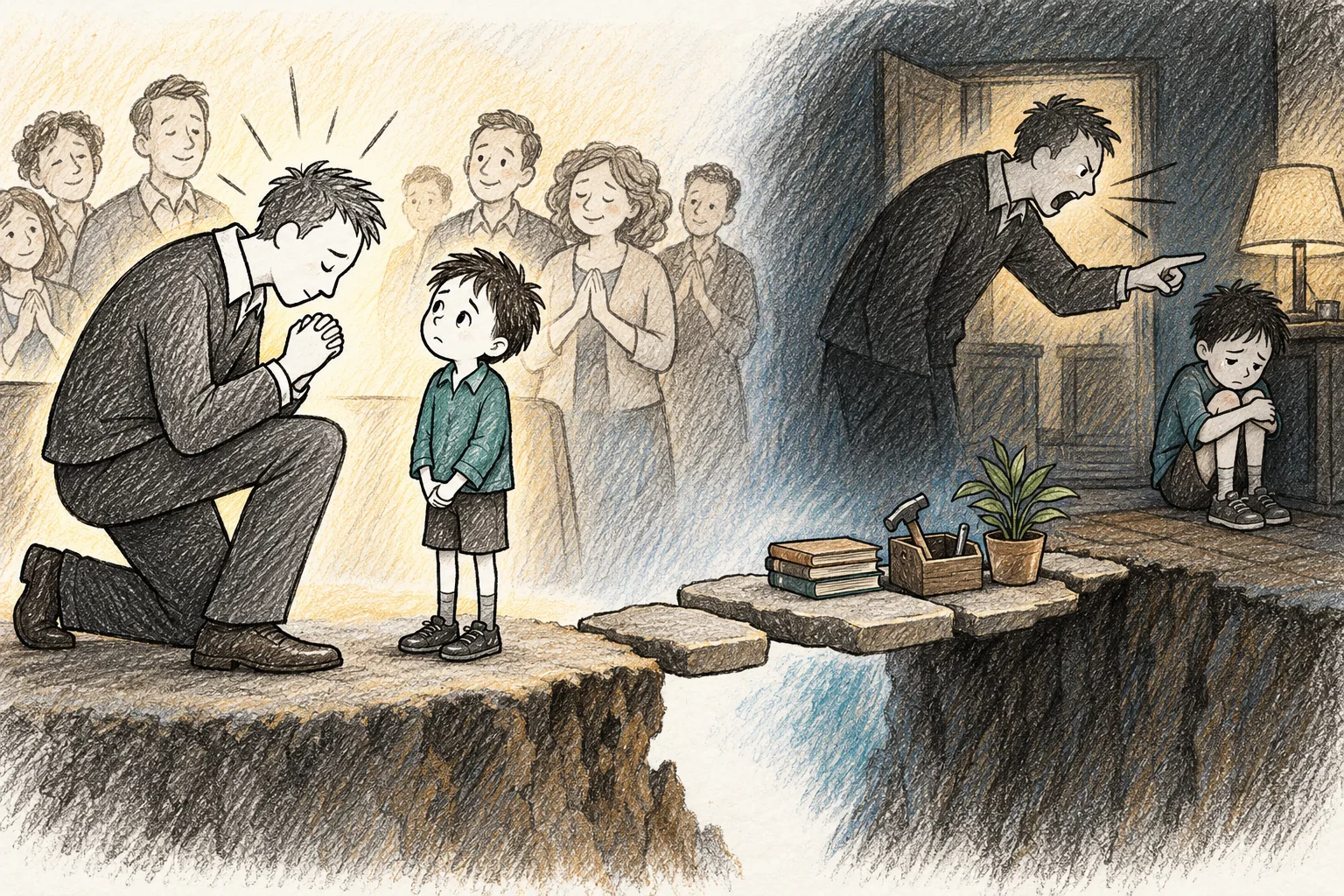
A person who harmed someone may feel relieved after confessing, praying, or receiving forgiveness from a leader. The injured person can still need protection, restitution, changed behavior, or acknowledgment. Internal relief does not perform those actions.
Take a hypothetical parent who publicly apologizes for humiliating a child but continues the same behavior at home. The apology can be emotionally powerful. Accountability requires examining the pattern afterward. Has the behavior stopped? Can the child object without retaliation? Has the parent made room for an independent account of what happened?
Apply that standard to institutions too. A statement about good intentions cannot settle a question about harm. Ask what changed, who verifies it, and whether people with less power can report a problem without being punished for threatening the group's image.
Exercise: remove the authority label
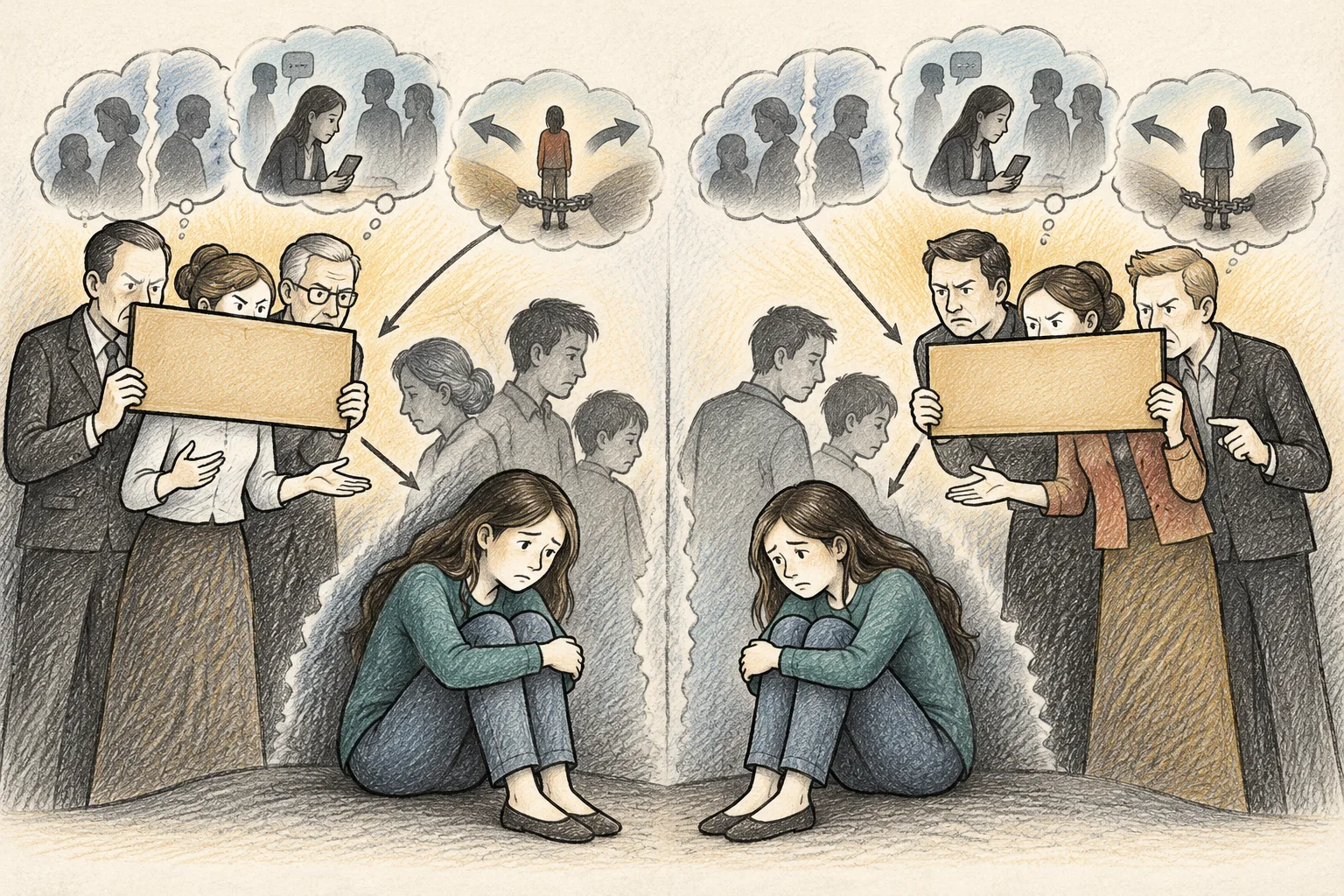
Choose a hypothetical moral rule. For example, “Members must stop speaking to relatives who leave.” Write the reasons offered for it. Then remove the religious label and imagine a political club making the same demand. Does the action become easier to evaluate? Identify the effects on relationships, information, and a person's ability to make a free choice.
Now consider a rule you support, such as providing food to someone in need. Explain it without appealing to your group identity. If your reason depends on human welfare, specify whose welfare and how the action serves it. Practice making the justification accessible to someone who does not share your worldview.
Discuss and carry forward
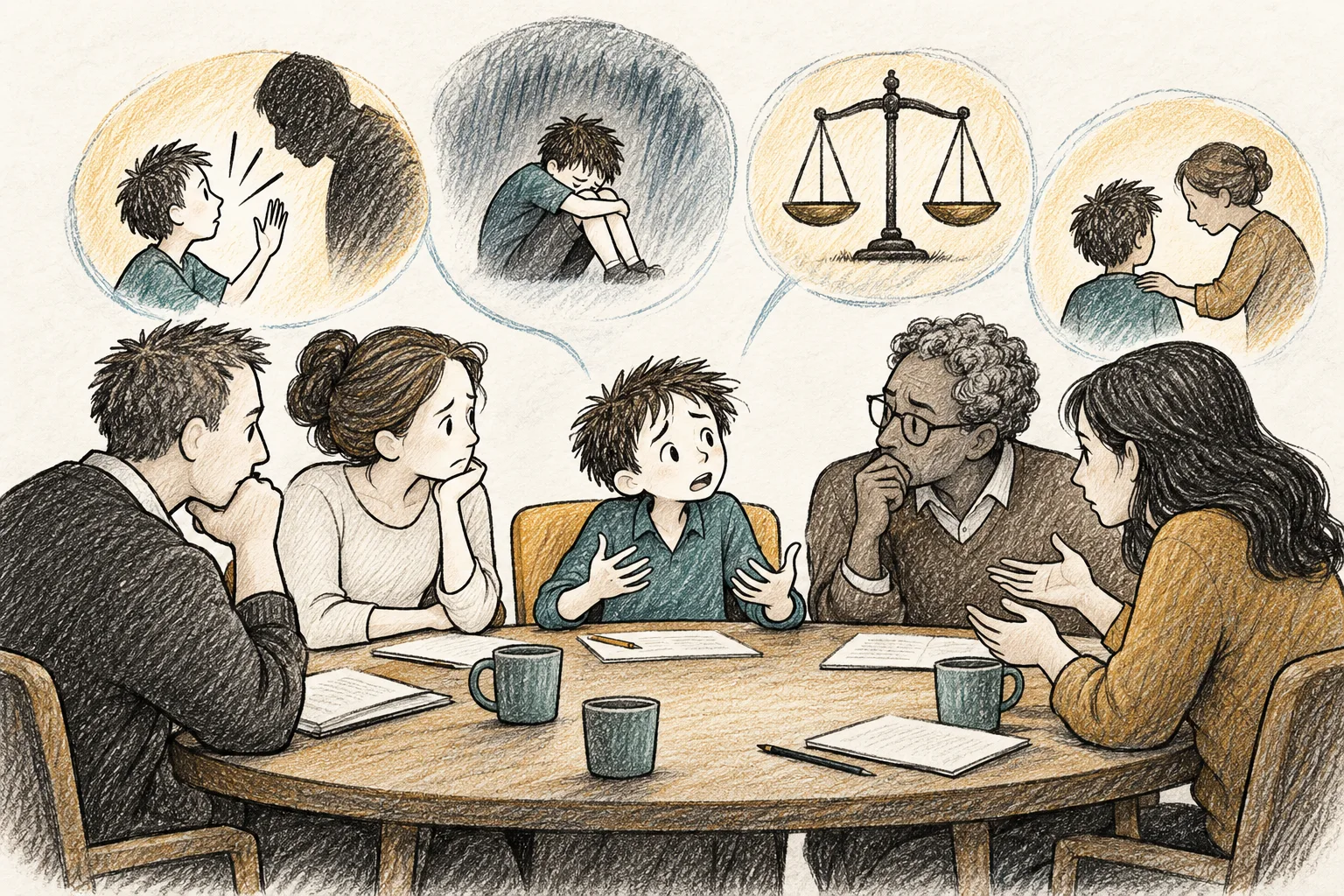
When does loyalty become a way to avoid responsibility? Discuss a case in which a person obeyed a rule but still had reasons to question it. Then identify what repair would require if the rule caused harm. The next lecture asks how to build a life around this kind of ongoing judgment.