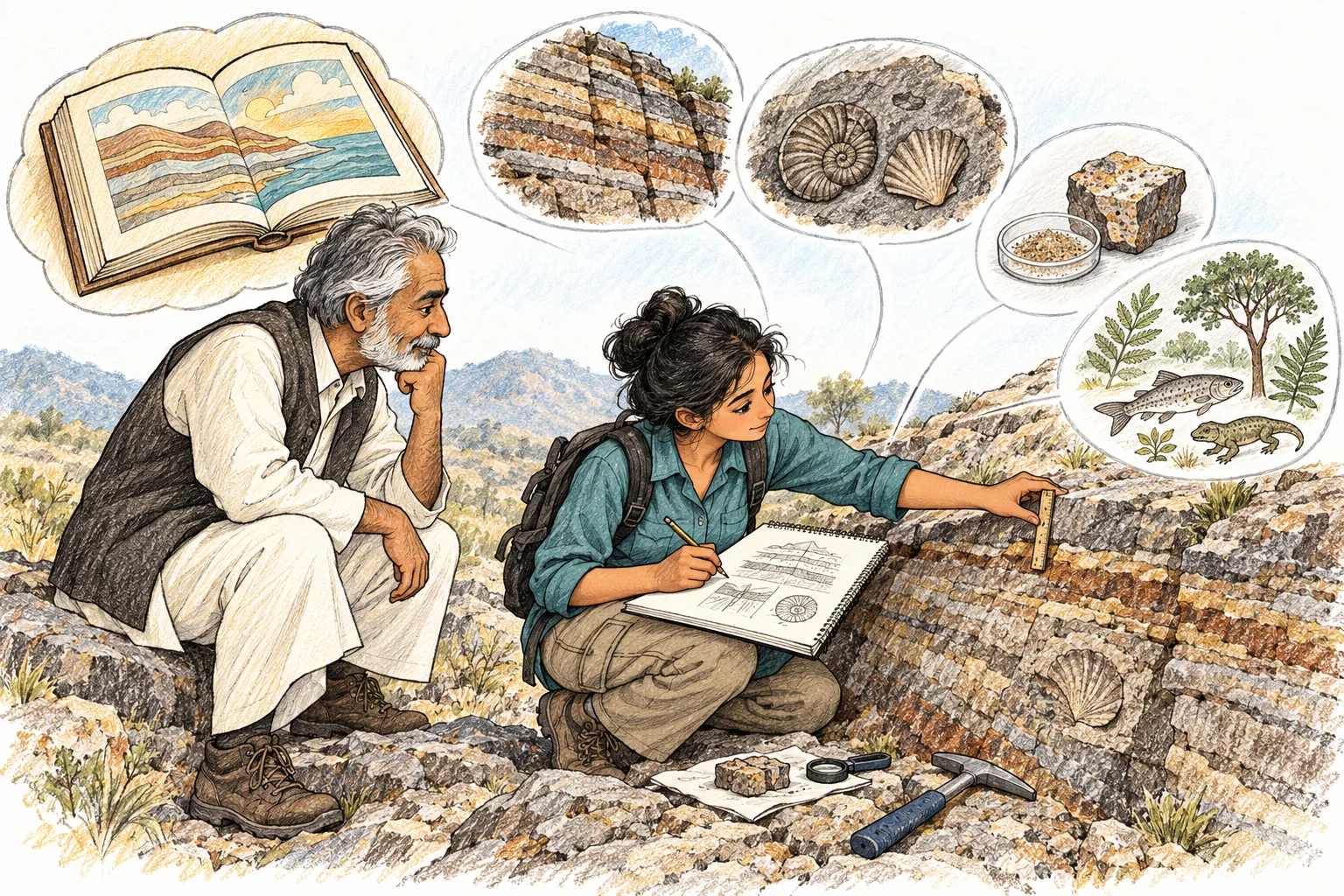
A claim about reality meets reality

If a doctrine says how old the Earth is, how living things appeared, or what a treatment does, it has made claims about the observable world. Those claims can be compared with evidence. Calling them sacred does not change what the rocks, organisms, or measurements show.
Scientific inquiry builds explanations that face opportunities to fail. Researchers make observations, identify possible errors, compare explanations, and make their methods available for criticism. Trust grows through converging evidence, successful prediction, and correction. A claim gains little from calling itself scientific if it never specifies what could count against it.
This standard can be uncomfortable. A result may contradict a story you love. A study may overturn an exciting claim you shared. The value of the method is that it gives error somewhere to go. A worldview that requires its central answer to remain fixed has a different relationship with correction.
What dating actually measures
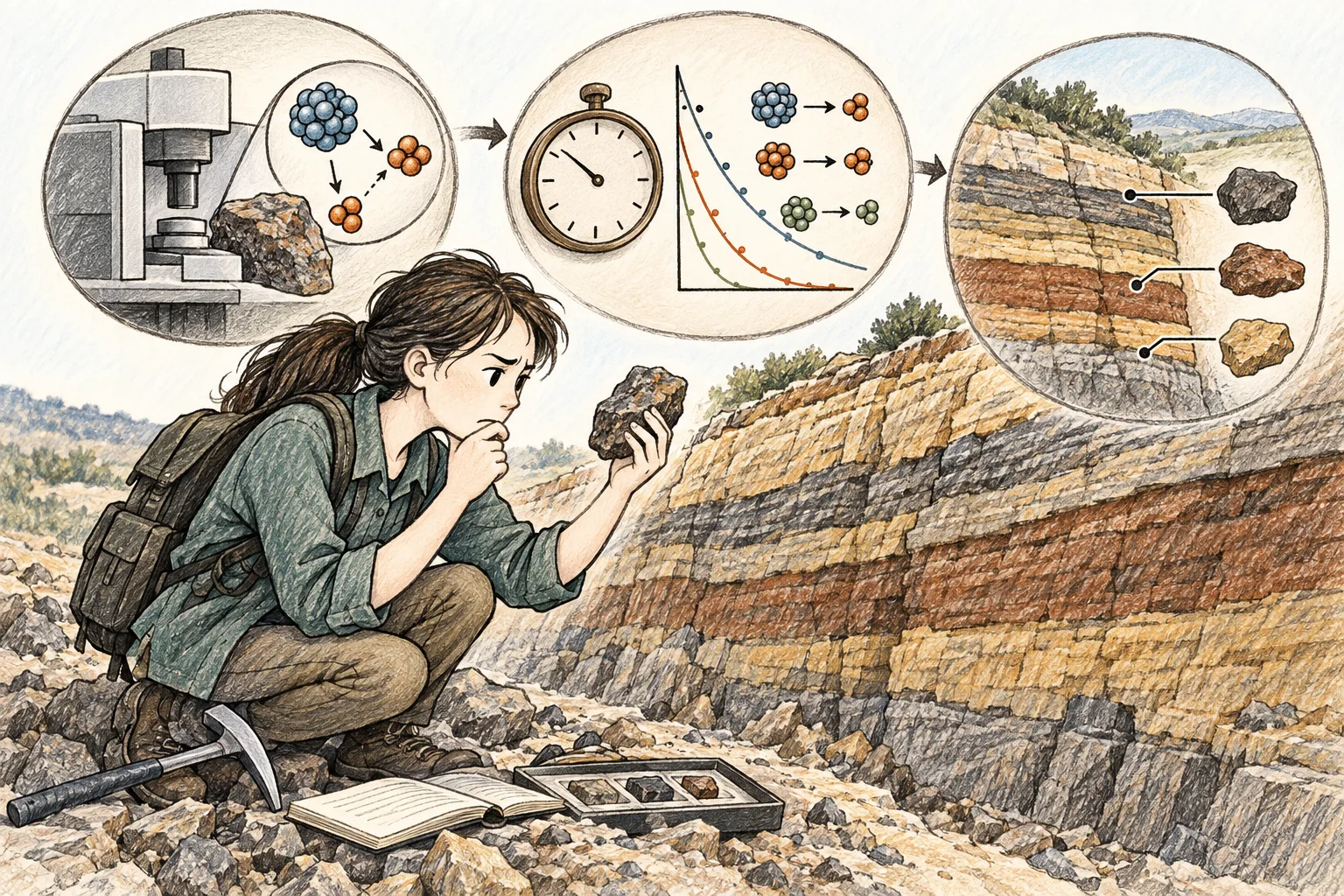
Radiometric dating uses the decay of radioactive isotopes. Different isotopes decay at different rates, so different methods suit different materials and timescales. Researchers measure isotopic relationships and examine whether the sample's history supports the assumptions of the method. Geology supplies context for interpreting the measurement. Research note 15
Carbon-14 has a half-life of about 5,730 years. It is useful for relatively recent once-living material. The age of the Earth comes from other evidence and longer-lived isotope systems, including work on meteorites. USGS describes an Earth age of approximately 4.54 billion years. Confusing carbon dating with every form of radiometric dating produces an objection to a method that was never being used for the claimed task. Research notes 14 and 15
A sensible criticism names the sample, the method, the assumption, and the evidence of an error. “All dating is wrong because my text says otherwise” has not done that work. If you believe a result is flawed, identify the flaw and explain its consequences. A specific defect in a measurement needs a specific response.
Here is a hypothetical exchange. A speaker says a rock date is impossible because the Earth is only a few thousand years old. Ask which isotope method was used, what event the date represents, and what evidence would show that its assumptions failed. If the speaker has no information about the sample, the objection may simply be the doctrine restating itself.
Evolution is an evidence question
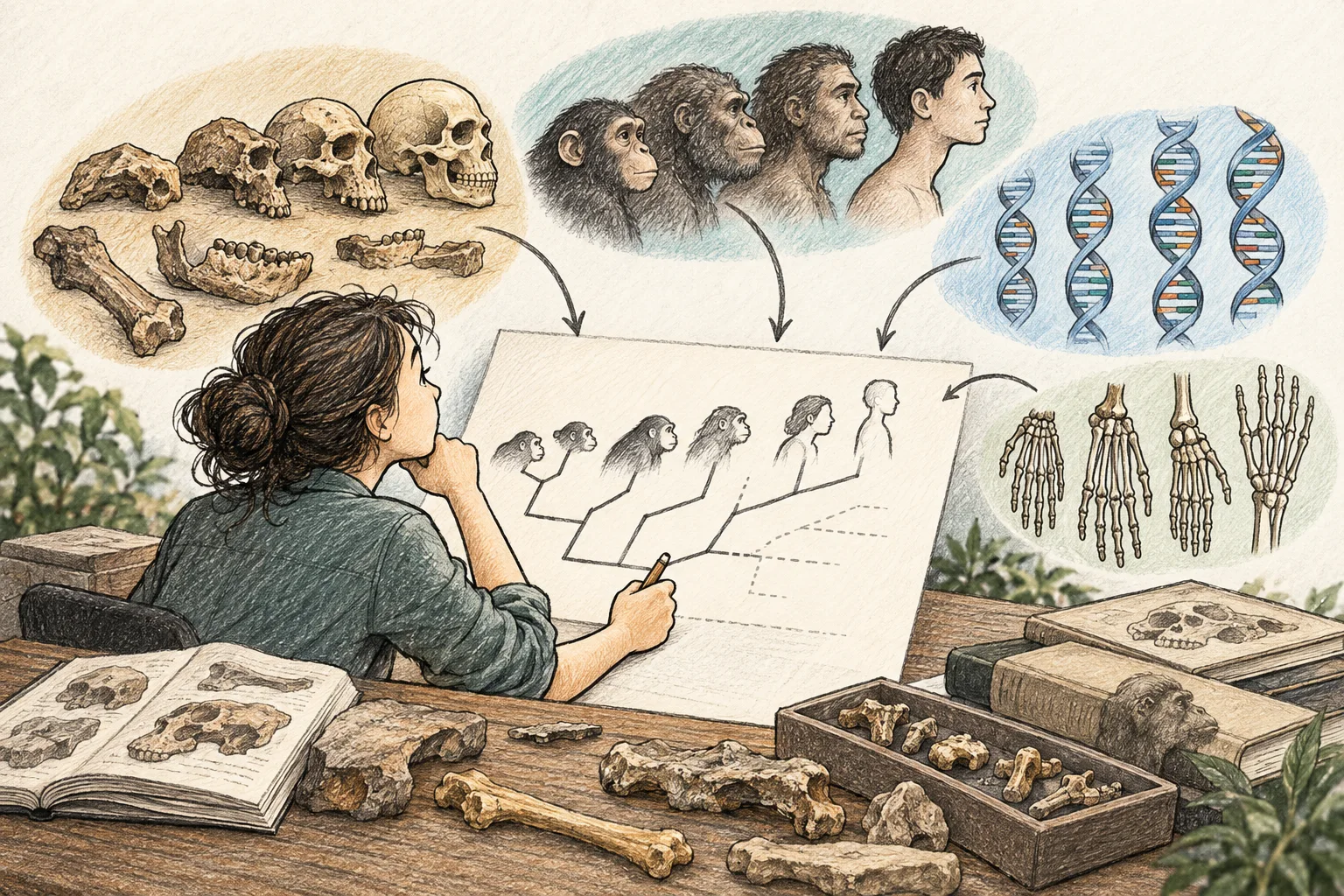
The case for human evolution draws on fossils, genetics, anatomy, and other lines of investigation. The Smithsonian's Human Origins Program explains how these lines of evidence relate humans to earlier populations and to other primates. Shared ancestry predicts patterns that can be examined across these different kinds of evidence. Research note 16
The useful discussion is about those patterns and the explanations that account for them. “I find it insulting” does not address the evidence. Neither does demanding that one person reproduce an entire scientific field in a few minutes. Choose one concrete claim, locate the evidence, and examine what follows from it.
There are open questions within evolutionary research, as there are within any active field. An unresolved detail needs investigation. It does not automatically establish a preferred creation story. To support that story, a speaker still needs evidence that distinguishes it from alternatives.
How to investigate a miracle claim

Begin with an exact description. What supposedly happened, to whom, when, and under what conditions? Separate the original report from later retellings. Ask whether records existed before the event, who assessed the outcome, and what ordinary explanations have been considered.
For a claimed healing, the relevant records include the original diagnosis, treatments, time course, and how the outcome was confirmed. An emotional testimony can be sincere while leaving those questions unanswered. A serious investigation should also count the cases where the predicted outcome did not occur. Selecting only successes gives a distorted view of the process.
If the evidence is incomplete, say what is missing. “Unexplained” describes a limit in our account. Naming a supernatural cause adds another claim, which still needs support. An explanation becomes useful when it helps distinguish what should happen under it from what should happen under competing explanations.
This keeps the discussion focused. You can reject a particular unsupported healing claim without claiming to have answered every philosophical question about existence. Precision gives an argument strength because readers can see exactly what the evidence addresses.
Exercise: design a fair test
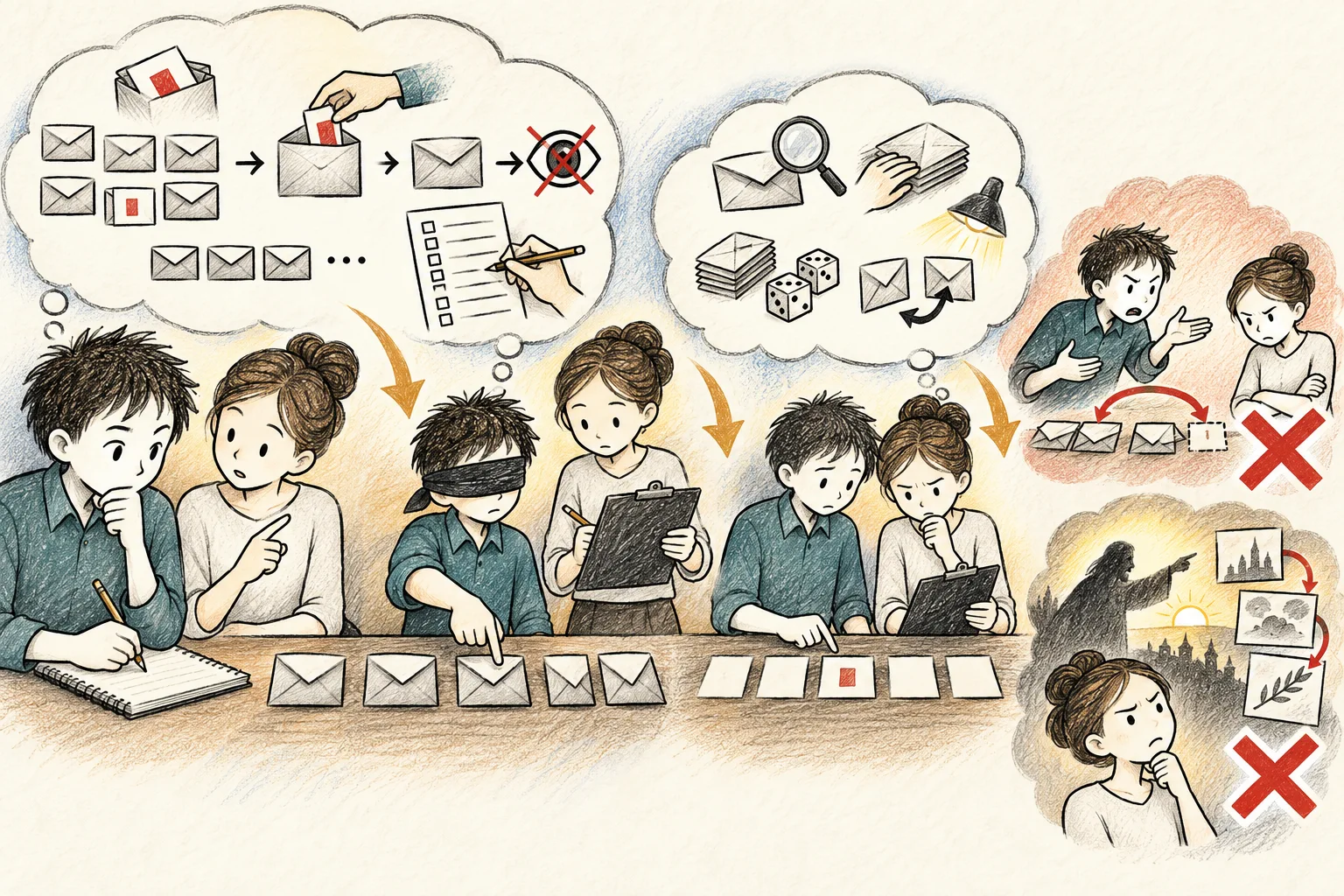
Invent a modest, testable claim: “People can identify which sealed envelope contains a marked card more often than chance.” Decide the number of trials, how envelopes will be prepared, how accidental cues will be prevented, how guesses will be recorded, and what result would matter before starting.
Now imagine changing the rules after seeing the results. Would you accept that from someone you disagreed with? Write down why the original plan matters. Apply the same question to a prophecy interpreted only after events happen, or a demonstration where failures are quietly removed.
Discuss and carry forward
What makes a criticism of science useful? Name the difference between finding a methodological error and requiring the conclusion to agree with a sacred text. Then ask where your own arguments might be doing the same thing. The next lecture turns from factual authority to moral authority.